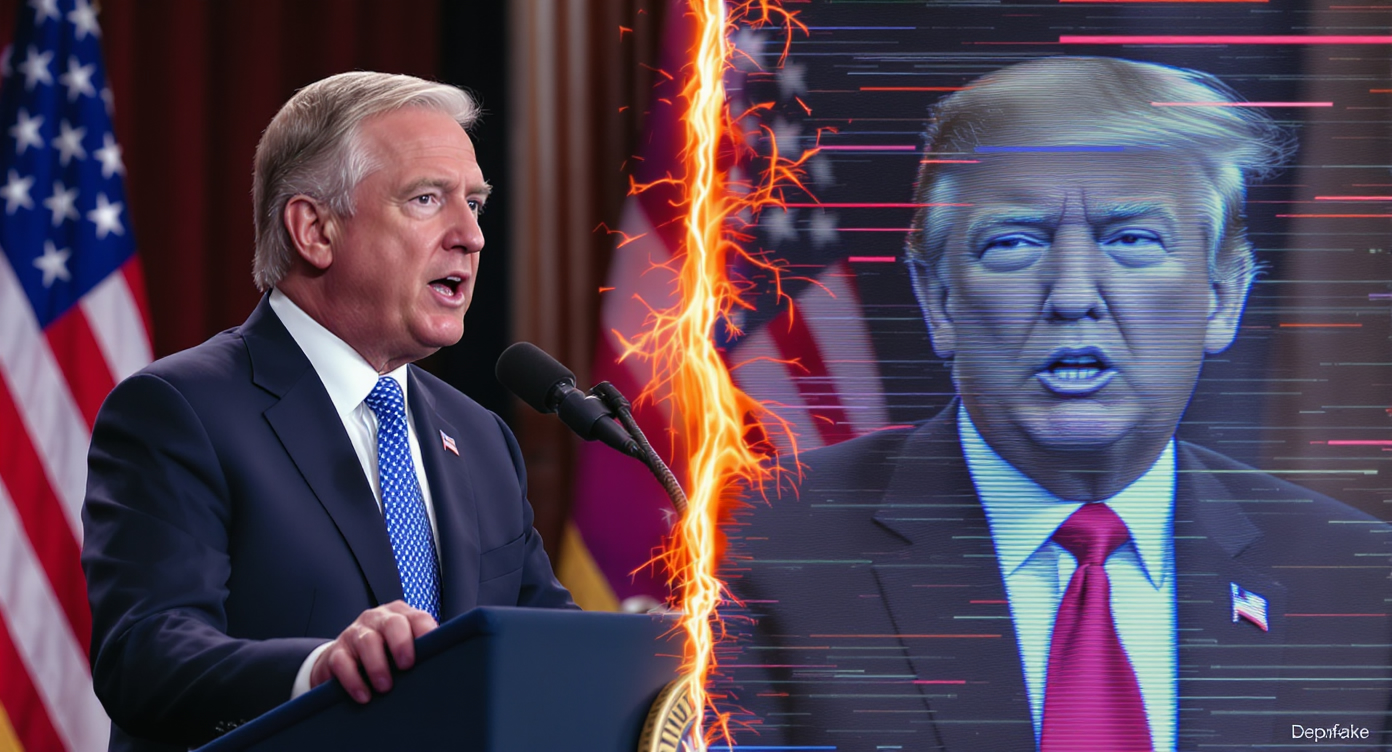
The 2026 electoral landscape faces an unprecedented challenge that could fundamentally alter how democracies worldwide conduct their voting processes. As artificial intelligence technology becomes increasingly sophisticated and accessible, deepfake technology has evolved from a niche curiosity into a potent weapon that threatens the very foundation of electoral integrity.
Recent advances in AI-generated content have made it possible for virtually anyone with basic technical skills to create convincing fake videos, audio recordings, and images of political figures. This democratization of deepfake technology coincides with a global election cycle that will see crucial votes in major democracies, creating a perfect storm for electoral manipulation on an international scale.
The implications extend far beyond simple misinformation campaigns. Unlike traditional propaganda, deepfakes can create seemingly authentic evidence of events that never occurred, statements that were never made, and scenarios that exist only in the digital realm. As we approach 2026, election security experts worldwide are grappling with how to protect democratic processes from this emerging threat.
The Evolution of Deepfake Technology and Its Current Capabilities
Deepfake technology has undergone rapid transformation since its emergence in 2017. What once required sophisticated equipment and extensive technical expertise can now be accomplished using smartphone apps and readily available software. The barrier to entry has dropped dramatically, making deepfake creation accessible to political actors, foreign interference campaigns, and even individual bad actors seeking to influence electoral outcomes.
Modern deepfake algorithms can generate convincing video content with minimal source material. A few minutes of existing footage can be transformed into hours of fabricated content, featuring political candidates saying or doing things that never occurred. Audio deepfakes, or “voice cloning,” have become particularly concerning due to their lower technical requirements and higher success rates in fooling audiences.
The quality of these fabricated materials continues to improve at an alarming rate. Current deepfake technology can produce content that passes casual inspection, and even sophisticated detection methods struggle to identify the most advanced examples. This technological arms race between creation and detection tools has tilted heavily toward the creators, leaving detection methods consistently behind the curve.
Social media platforms have become the primary distribution channels for deepfake content, where algorithmic amplification can spread fabricated material to millions of users within hours. The viral nature of controversial content means that even quickly debunked deepfakes can achieve massive reach before fact-checkers and platform moderators can respond effectively.
Real-world examples from recent elections demonstrate the potential impact. During various electoral campaigns globally, deepfake audio has been used to simulate candidates making inflammatory statements, while video deepfakes have shown political figures in compromising situations. These incidents provide a blueprint for more sophisticated attacks targeting the 2026 election cycle.
Global Vulnerabilities: How Different Electoral Systems Face Unique Risks
Democratic systems worldwide present different vulnerabilities to deepfake attacks, based on their electoral structures, media landscapes, and technological infrastructure. Understanding these varied risk profiles is crucial for developing effective countermeasures ahead of 2026.
In presidential systems with concentrated executive power, deepfakes targeting individual candidates can have outsized impacts on electoral outcomes. The personalization of political campaigns in these systems makes them particularly susceptible to character assassination through fabricated content. Countries like the United States, Brazil, and France face heightened risks due to their media-intensive campaign environments and high social media penetration rates.
Parliamentary systems present different challenges, where deepfakes might target party leaders or be used to fabricate scandals affecting coalition negotiations. The complexity of multi-party systems can make deepfake campaigns more difficult to orchestrate but potentially more destabilizing when successful, as they might trigger cascading effects across multiple political alliances.
Developing democracies face additional vulnerabilities due to limited resources for detection and response capabilities. Many countries lack the technological infrastructure necessary to implement sophisticated deepfake detection systems, while limited media literacy among populations may increase susceptibility to fabricated content. These vulnerabilities make emerging democracies attractive targets for foreign interference campaigns using deepfake technology.
The timing of deepfake releases poses strategic challenges across all systems. Content released close to election dates may not allow sufficient time for thorough debunking, while earlier releases risk being forgotten by election day. This timing dynamic creates windows of vulnerability that malicious actors can exploit for maximum electoral impact.
Cultural and linguistic factors also influence deepfake effectiveness. Societies with high trust in visual media or limited experience with digital manipulation may prove more vulnerable to deepfake campaigns. Conversely, populations already skeptical of media content might become overly suspicious, potentially dismissing legitimate evidence alongside fabricated materials.
Detection Challenges and the Race Against Sophisticated AI Deception
The technological battle between deepfake creation and detection represents one of the most critical frontiers in election security. Current detection methods face significant limitations that malicious actors are already learning to exploit, creating an urgent need for more sophisticated countermeasures before the 2026 election cycle.
Technical detection approaches rely on identifying subtle artifacts that deepfake algorithms typically leave behind. These might include inconsistent lighting, unnatural eye movements, or temporal inconsistencies in facial expressions. However, as deepfake technology improves, these telltale signs become increasingly difficult to detect, requiring ever-more sophisticated analysis tools.
Machine learning-based detection systems show promise but face the fundamental challenge of keeping pace with advancing creation technology. Detection algorithms trained on current deepfakes may prove ineffective against next-generation techniques, creating a constant need for updates and retraining. This technological arms race favors attackers, who can test their content against existing detection methods before public release.
The speed of detection presents another critical challenge for electoral contexts. While forensic analysis might eventually identify deepfake content with high confidence, elections operate on compressed timelines where rapid response is essential. Detection systems must balance accuracy with speed, often requiring human verification that can’t match the pace of viral social media distribution.
Scalability issues compound these challenges during election periods, when the volume of political content increases dramatically. Detection systems must process enormous quantities of material while maintaining accuracy, requiring computational resources that many organizations lack. This scalability gap creates opportunities for attackers to overwhelm detection capabilities through volume alone.
The emergence of “partial deepfakes” presents additional detection challenges. Rather than fabricating entire videos, these techniques modify specific elements like facial expressions or mouth movements while leaving the rest authentic. These hybrid manipulations can be more difficult to detect while still achieving significant deceptive effects.
Strengthening Democratic Defenses: Proactive Measures for 2026
Protecting electoral integrity from deepfake threats requires comprehensive strategies that combine technological solutions, regulatory frameworks, and public education initiatives. The window for implementing effective countermeasures before 2026 is rapidly closing, making immediate action essential for safeguarding democratic processes.
Technology-based solutions must evolve beyond reactive detection toward proactive authentication systems. Digital signatures and blockchain-based verification could help establish the provenance of authentic political content, making unauthorized modifications detectable. Campaign organizations and media outlets should implement content authentication protocols that create verifiable chains of custody for all published materials.
Regulatory responses need careful calibration to address deepfake threats without undermining free speech protections. Legislation should focus on malicious use during electoral periods while preserving legitimate uses of AI technology. International cooperation frameworks can help coordinate responses to cross-border deepfake campaigns, particularly those originating from state actors seeking to influence foreign elections.
Media literacy education represents a crucial long-term defense against deepfake manipulation. Public education campaigns should teach citizens to critically evaluate digital content, understand deepfake capabilities, and verify information through multiple sources. Educational institutions should integrate digital literacy curricula that prepare future voters to navigate an increasingly complex information environment.
Platform responsibility initiatives require social media companies to implement more robust content verification and rapid response systems. These might include partnerships with fact-checking organizations, improved user reporting mechanisms, and algorithmic modifications that slow the spread of potentially manipulated content during sensitive periods.
International monitoring and rapid response capabilities need development before 2026. Organizations like electoral observation groups should train personnel to identify and respond to deepfake campaigns, while international bodies should establish protocols for coordinating responses to cross-border electoral interference.
The private sector has a crucial role in developing and deploying detection technologies. Technology companies, cybersecurity firms, and research institutions should collaborate on open-source detection tools that can be widely deployed across different electoral systems and resource levels.
As we approach the 2026 election cycle, the threat posed by AI deepfakes to global democratic processes demands immediate and coordinated action. The convergence of advancing technology, increased accessibility, and high-stakes electoral contests creates unprecedented risks that traditional election security measures are ill-equipped to handle.
The time for preparation is now. Every month of delay in implementing comprehensive countermeasures increases the vulnerability of democratic institutions worldwide. Success will require unprecedented cooperation between governments, technology companies, civil society organizations, and international bodies.
Given the rapid advancement of deepfake technology and the approaching 2026 elections, what specific steps do you think your country should prioritize to protect electoral integrity, and how can citizens actively contribute to defending democratic processes against AI-generated disinformation?

Comments