The healthcare landscape is experiencing a revolutionary transformation as we move through 2026, with AI agents emerging as game-changing tools in medical diagnostics. These sophisticated artificial intelligence systems are no longer confined to research laboratories or pilot programs—they’re actively reshaping how healthcare professionals diagnose diseases, analyze medical imaging, and deliver patient care across the globe.
Unlike traditional diagnostic software that requires manual input and interpretation, AI agents in 2026 operate with unprecedented autonomy and intelligence. They can analyze complex medical data, cross-reference patient histories, and provide real-time diagnostic insights that rival the expertise of seasoned medical professionals. This technological leap represents one of the most significant advances in healthcare since the advent of digital medical records.
The current healthcare diagnostic landscape faces numerous challenges, from physician shortages to rising healthcare costs and the increasing complexity of medical conditions. AI agents are addressing these pain points by augmenting human expertise, reducing diagnostic errors, and accelerating the time-to-diagnosis for critical conditions. As we explore this transformative technology, it becomes clear that AI agents aren’t replacing healthcare professionals—they’re empowering them to deliver better, faster, and more accurate patient care.
Revolutionary AI-Powered Diagnostic Capabilities in Modern Healthcare
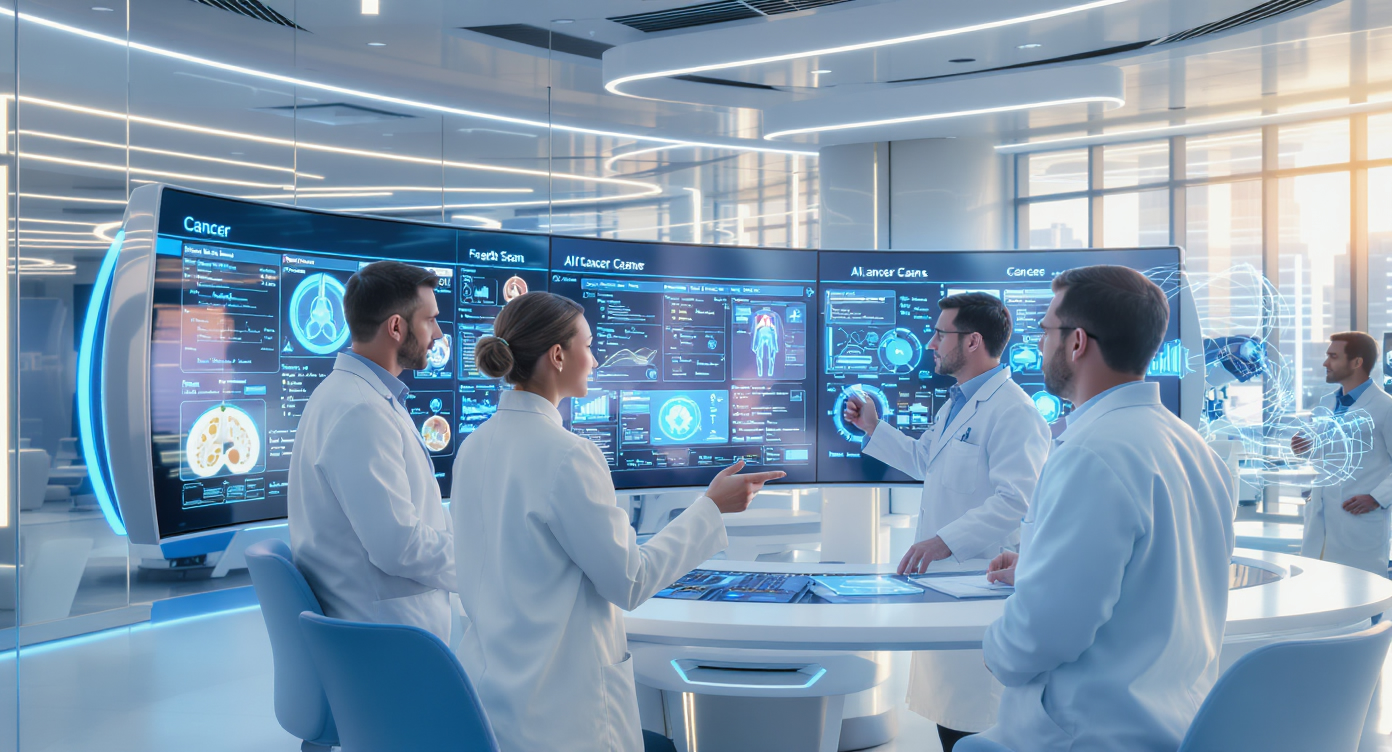
The diagnostic capabilities of AI agents in 2026 have evolved far beyond simple pattern recognition. These advanced systems now integrate multiple data streams simultaneously, including medical imaging, laboratory results, genetic information, and patient symptoms to create comprehensive diagnostic profiles. Leading healthcare institutions report diagnostic accuracy rates exceeding 95% for common conditions when AI agents are employed alongside human physicians.
One of the most impressive developments is the emergence of multimodal AI agents that can interpret various types of medical data concurrently. For instance, when diagnosing cardiovascular conditions, these systems can analyze ECG readings, echocardiogram images, blood test results, and patient symptom descriptions simultaneously. This holistic approach mirrors how experienced physicians think, but with the added advantage of processing vast amounts of data in seconds rather than hours.
AI agents are particularly excelling in areas requiring pattern recognition and anomaly detection. In radiology, these systems can identify subtle signs of early-stage cancers that might be missed by human eyes, especially in screening programs where thousands of images need review. Similarly, in pathology, AI agents are detecting cellular abnormalities with remarkable precision, helping pathologists focus their attention on the most critical cases.
The integration of natural language processing capabilities allows these AI agents to interpret unstructured clinical notes, patient complaints, and medical literature. This means they can correlate symptoms described in a patient’s own words with clinical findings, creating a more complete picture of the patient’s condition. Healthcare professionals are finding that this capability significantly reduces the time spent on documentation and data analysis.
Real-time monitoring capabilities represent another breakthrough in AI agent functionality. These systems can continuously analyze patient data from wearable devices, hospital monitors, and electronic health records to detect early warning signs of deteriorating conditions. This proactive approach to diagnostics is particularly valuable in intensive care units and for patients with chronic conditions who require ongoing monitoring.
Transforming Medical Imaging and Radiology Practices
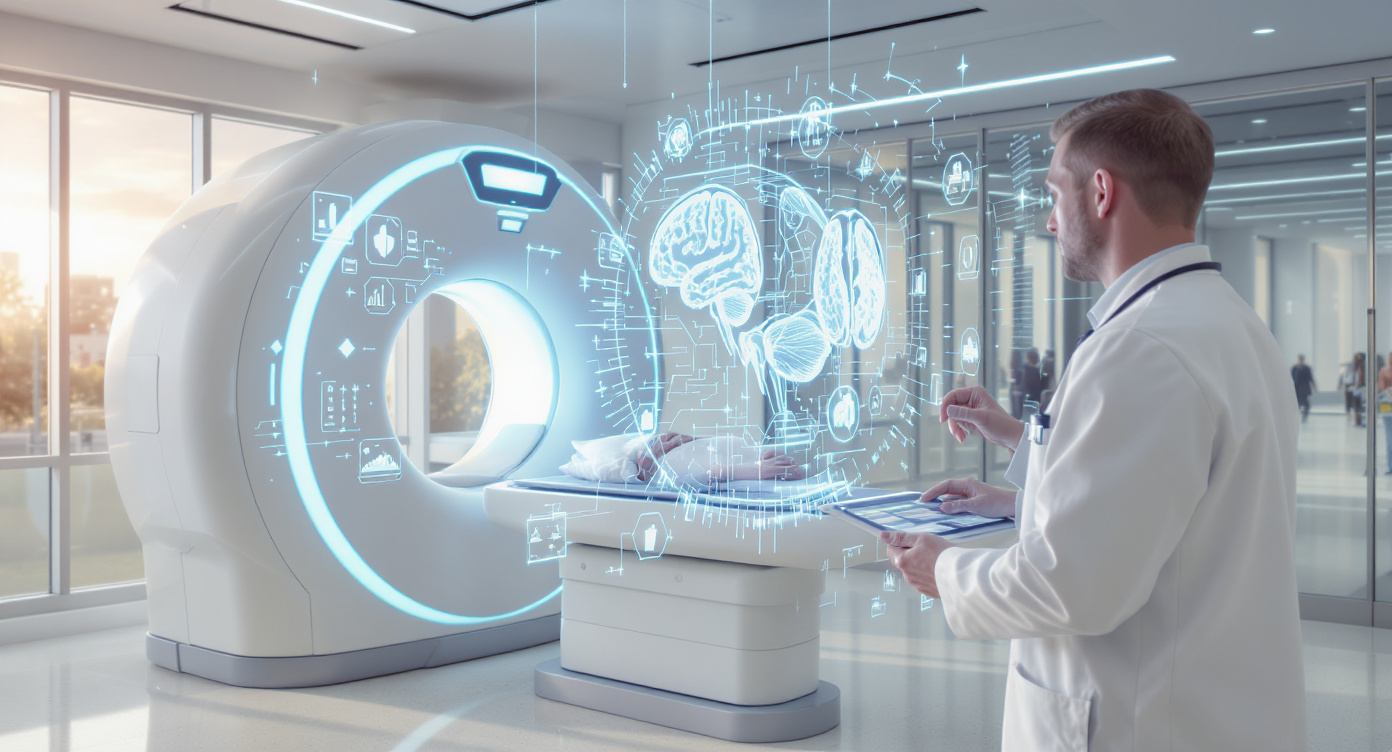
Medical imaging has become the frontline battlefield where AI agents are demonstrating their most dramatic impact on healthcare diagnostics. In 2026, virtually every major imaging center utilizes AI agents to assist radiologists in interpreting X-rays, MRIs, CT scans, and other diagnostic images. The technology has evolved from simple image analysis tools to sophisticated diagnostic partners that can prioritize urgent cases, suggest additional imaging when needed, and even predict disease progression.
The speed advantage of AI agents in imaging interpretation cannot be overstated. What once required hours of careful analysis can now be completed in minutes, with AI agents providing preliminary assessments that help radiologists focus their expertise where it’s needed most. This efficiency gain is particularly crucial in emergency departments, where rapid diagnosis can be the difference between life and death.
AI agents have proven exceptionally skilled at detecting subtle abnormalities that might indicate early-stage diseases. In mammography screening, for example, these systems can identify potential cancerous lesions at stages so early that they’re barely visible to human observers. This early detection capability is translating into significantly improved patient outcomes and survival rates across various types of cancer.
The technology has also revolutionized workflow management in radiology departments. AI agents can automatically prioritize imaging studies based on clinical urgency, patient history, and preliminary findings. Critical cases, such as potential strokes or internal bleeding, are immediately flagged for urgent review, while routine screenings are processed in order of arrival. This intelligent triage system ensures that the most critical patients receive attention first.
Quality assurance has improved dramatically with AI agent integration. These systems can detect technical issues with imaging equipment, identify suboptimal image quality that might compromise diagnosis, and even suggest optimal imaging protocols based on patient characteristics and clinical questions. This level of quality control was previously impossible to maintain consistently across large healthcare systems.
Perhaps most importantly, AI agents are democratizing access to expert-level radiology interpretation. Smaller hospitals and clinics that may not have specialized radiologists on staff can now provide their patients with AI-assisted diagnostic services that approach the quality of major medical centers. This capability is particularly transformative in rural and underserved areas where access to specialized medical expertise has been historically limited.
Enhancing Clinical Decision-Making and Patient Outcomes
The integration of AI agents into clinical decision-making processes has fundamentally changed how healthcare providers approach diagnosis and treatment planning in 2026. These systems serve as intelligent clinical decision support tools that can analyze patient data comprehensively and suggest diagnostic possibilities that physicians might not immediately consider.
Clinical decision support has evolved beyond simple rule-based alerts to sophisticated reasoning systems that can weigh multiple factors simultaneously. AI agents now consider patient demographics, medical history, current symptoms, laboratory results, and even social determinants of health to provide nuanced diagnostic recommendations. This comprehensive approach helps physicians avoid anchoring bias and ensures that rare but serious conditions aren’t overlooked.
The impact on diagnostic accuracy has been substantial across multiple medical specialties. Emergency medicine has seen particularly dramatic improvements, with AI agents helping emergency physicians rapidly identify conditions like sepsis, heart attacks, and strokes in their earliest stages. The systems can continuously monitor patient vital signs and laboratory values, alerting clinicians to subtle changes that might indicate deteriorating conditions before they become life-threatening.
Personalized medicine has received a significant boost from AI agents capable of analyzing genetic information alongside traditional clinical data. These systems can identify patients who might respond better to specific treatments, predict adverse drug reactions, and suggest personalized therapeutic approaches based on individual patient characteristics. This level of personalization was previously available only at specialized academic medical centers but is now becoming standard practice.
Care coordination has improved dramatically with AI agents serving as information bridges between different healthcare providers and specialties. When a patient sees multiple physicians, AI agents can ensure that all relevant information is considered in diagnostic decisions, preventing important details from being overlooked in complex cases. This comprehensive approach reduces diagnostic errors and improves overall patient safety.
The educational aspect of AI agent integration shouldn’t be overlooked. These systems are helping train the next generation of healthcare providers by providing real-time feedback on diagnostic reasoning and suggesting alternative approaches to complex cases. Medical residents and nursing students are benefiting from AI-powered educational tools that provide personalized learning experiences based on their individual knowledge gaps and learning patterns.
Implementation Challenges and Future Prospects for Healthcare AI
While the benefits of AI agents in healthcare diagnostics are undeniable, the implementation journey in 2026 continues to present significant challenges that healthcare organizations must navigate carefully. The successful integration of these systems requires substantial changes in workflow, staff training, and organizational culture that go far beyond simply purchasing new technology.
Data quality and interoperability remain primary concerns for healthcare institutions implementing AI agents. These systems require high-quality, standardized data to function effectively, but many healthcare organizations still struggle with fragmented electronic health record systems and inconsistent data formats. Successful implementations require significant investments in data infrastructure and standardization efforts that can take months or years to complete.
Regulatory compliance and patient safety considerations have become increasingly complex as AI agents take on more sophisticated diagnostic roles. Healthcare organizations must ensure that their AI systems meet evolving regulatory standards while maintaining the highest levels of patient safety. This requires ongoing monitoring, validation, and documentation processes that can be resource-intensive but are essential for patient protection.
Training and change management represent perhaps the greatest implementation challenges. Healthcare professionals must learn to work effectively with AI agents, understanding both their capabilities and limitations. This requires comprehensive training programs that go beyond technical instruction to include guidance on clinical decision-making in AI-augmented environments. Resistance to change is natural in healthcare settings where patient safety is paramount, making change management strategies crucial for success.
Looking toward the future, the prospects for AI agents in healthcare diagnostics appear exceptionally bright. Emerging technologies like quantum computing and advanced neural network architectures promise to deliver even more sophisticated diagnostic capabilities. We can expect to see AI agents that can perform complex reasoning about rare diseases, predict patient outcomes with greater accuracy, and provide increasingly personalized treatment recommendations.
The integration of AI agents with emerging technologies like augmented reality and virtual reality could revolutionize medical education and patient communication. Imagine AI agents that can create three-dimensional visualizations of patient conditions, helping both healthcare providers and patients better understand complex medical situations.
As we move forward, the most successful healthcare organizations will be those that view AI agents not as replacements for human expertise but as powerful tools that augment and enhance human capabilities. The future of healthcare diagnostics lies in the seamless collaboration between human intelligence and artificial intelligence, creating a healthcare system that is more accurate, efficient, and accessible than ever before.
The transformation of healthcare diagnostics through AI agents in 2026 represents just the beginning of a revolutionary change in how we approach medical care. As these technologies continue to evolve and mature, they promise to make high-quality diagnostic services more accessible, accurate, and efficient for patients worldwide.
What aspect of AI-powered healthcare diagnostics do you think will have the most significant impact on patient care in your community, and how are you preparing to adapt to these technological changes in healthcare?
Comments