
The recruitment landscape is undergoing a revolutionary transformation as artificial intelligence reshapes how companies identify and evaluate talent. Recent studies reveal that AI-powered resume screening tools are achieving something that has long eluded human recruiters: reducing hiring bias by an impressive 40% while simultaneously improving the quality of candidate selection.
This breakthrough represents more than just technological advancement—it signals a fundamental shift toward fairer, more effective hiring practices that benefit both employers and job seekers. As organizations grapple with persistent challenges around diversity, equity, and inclusion, AI emerges as a powerful ally in creating more equitable pathways to employment.
The Hidden Cost of Traditional Resume Screening
Traditional resume screening has long been plagued by unconscious bias, a phenomenon that occurs when recruiters make decisions based on implicit assumptions rather than objective qualifications. Studies consistently show that resumes with names suggesting certain ethnic backgrounds receive fewer callbacks, while factors like university prestige or employment gaps can overshadow actual skills and competencies.
The numbers paint a stark picture: research from Harvard Business School found that resumes with “white-sounding” names received 50% more callbacks than identical resumes with “Black-sounding” names. Similarly, women in STEM fields face significant bias, with their resumes often receiving less favorable evaluations despite equivalent qualifications.
Beyond demographic bias, traditional screening methods suffer from several critical limitations:
Inconsistency in evaluation criteria across different recruiters leads to wildly different assessments of similar candidates. What one recruiter views as valuable experience, another might dismiss as irrelevant.
Time pressure forces recruiters to make snap judgments, often spending less than six seconds per resume. This rushed process inevitably leads to qualified candidates being overlooked while less suitable applicants advance.
Limited scope of human processing power means recruiters can only effectively evaluate a fraction of applications, potentially missing hidden gems buried in large candidate pools.
These systemic issues don’t just harm individual job seekers—they cost companies billions in missed opportunities and reduced innovation. Organizations that fail to tap into diverse talent pools consistently underperform their more inclusive competitors.
How AI-Powered Screening Works
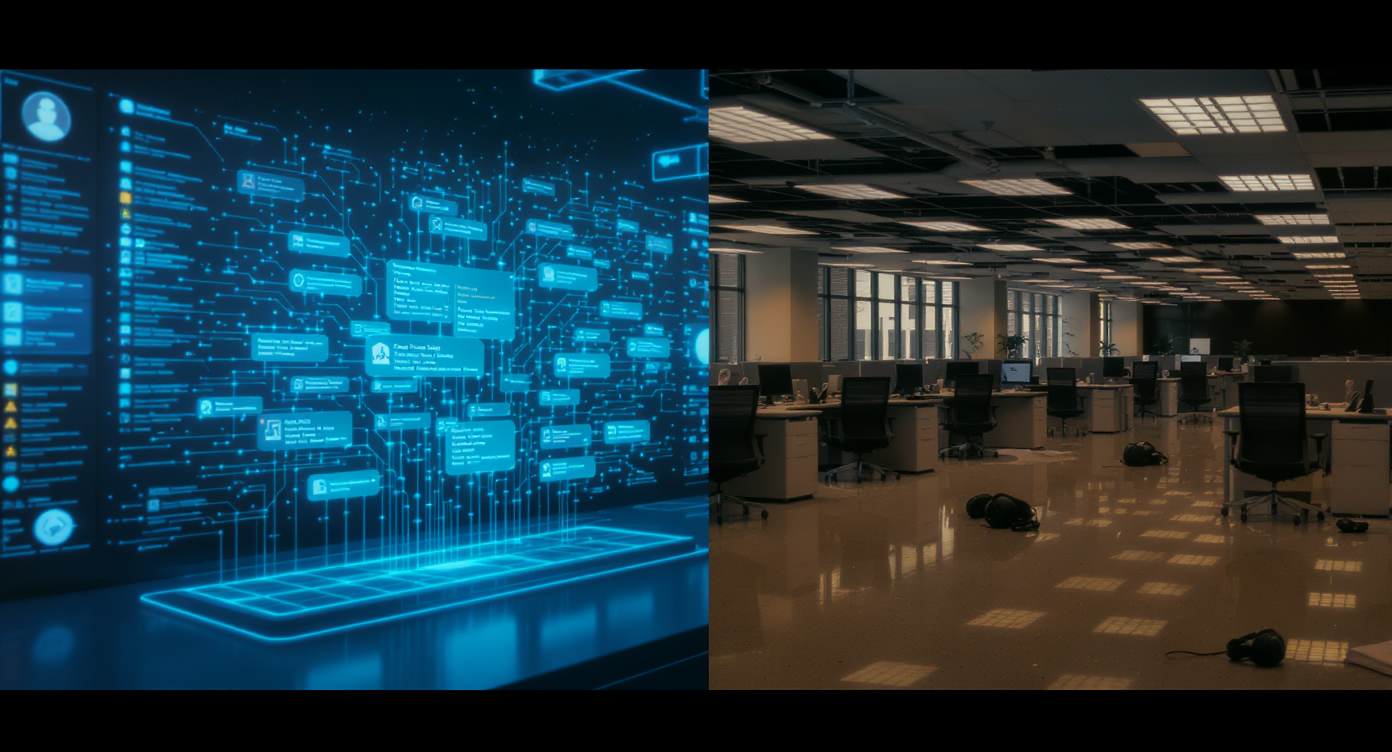
AI-powered resume screening represents a paradigm shift from subjective human judgment to objective, data-driven evaluation. These sophisticated systems leverage natural language processing, machine learning algorithms, and predictive analytics to assess candidates based purely on job-relevant criteria.
The process begins with intelligent parsing, where AI systems extract and categorize information from resumes regardless of format, layout, or design. Unlike human reviewers who might be influenced by aesthetic choices or formatting quirks, AI focuses solely on content relevance.
Skills matching forms the core of AI evaluation. Advanced algorithms identify both explicit skills mentioned in resumes and implicit competencies derived from experience descriptions. For instance, an AI system might recognize that a candidate who “led a team of developers through a complex migration project” possesses project management, leadership, and technical oversight skills—even if those terms aren’t explicitly stated.
Predictive scoring takes the analysis further by comparing candidate profiles against successful employees in similar roles. Machine learning models identify patterns in top performers’ backgrounds, creating sophisticated benchmarks that go beyond simple keyword matching.
Perhaps most importantly, AI systems implement bias mitigation protocols that actively work to eliminate discriminatory factors. These systems can be programmed to ignore names, addresses, graduation dates, and other potentially biasing information while focusing on skills, achievements, and relevant experience.
Modern AI screening tools also incorporate dynamic learning capabilities, continuously refining their evaluation criteria based on hiring outcomes and feedback. This means the systems become more accurate and fair over time, learning from past decisions to improve future recommendations.
Real-World Success Stories and Implementation
Leading companies across industries are already reaping the benefits of AI-powered screening, with results that speak to both improved diversity and better business outcomes.
Unilever pioneered AI-driven recruitment by replacing traditional resume screening with algorithm-based assessments. The results were remarkable: the company saw a 16% increase in diversity hires while reducing time-to-hire by 75%. More importantly, the AI system identified high-potential candidates from non-traditional backgrounds who might have been overlooked in conventional screening processes.
Hilton Hotels implemented AI screening tools and discovered that their most successful employees often came from unexpected backgrounds. The AI system identified patterns in guest service excellence that human recruiters had missed, leading to a 40% improvement in employee retention rates.
IBM’s Watson Talent has processed millions of resumes across various industries, consistently demonstrating bias reduction while improving match quality. Companies using Watson report finding qualified candidates in 50% less time while significantly expanding their diversity metrics.
The technology’s impact extends beyond large corporations. Mid-sized companies using AI screening tools report several key benefits:
- Expanded candidate pools: AI systems can process thousands of applications efficiently, allowing smaller HR teams to consider far more candidates than previously possible.
- Improved quality of hire: By focusing on skills and achievements rather than pedigree markers, companies discover talent from diverse educational and professional backgrounds.
- Enhanced compliance: AI systems provide detailed audit trails showing exactly how candidates were evaluated, helping companies demonstrate fair hiring practices.
Implementation success depends heavily on proper configuration and ongoing monitoring. Companies that achieve the best results typically start with pilot programs in specific departments, gradually expanding as they refine their AI parameters and build confidence in the system’s recommendations.
The Future of Fair Hiring: Challenges and Opportunities
While AI-powered screening shows tremendous promise, successful implementation requires careful attention to several critical factors. The technology is not a magic bullet—it’s a sophisticated tool that demands thoughtful deployment and ongoing oversight.
Data quality remains paramount. AI systems are only as good as the information they’re trained on, which means companies must ensure their training data represents diverse, successful employees rather than perpetuating historical biases. This often requires cleaning existing datasets and actively seeking diverse examples of high performance.
Algorithmic transparency presents both an opportunity and a challenge. While AI systems can provide detailed explanations for their recommendations, HR teams must develop the capability to interpret and act on these insights effectively. This often requires upskilling existing staff and potentially hiring new talent with AI expertise.
Continuous monitoring ensures that AI systems maintain their bias-reduction benefits over time. Regular audits of hiring outcomes, feedback collection from rejected candidates, and analysis of long-term employee performance help identify and correct any emerging biases.
Looking ahead, several exciting developments promise to further enhance AI screening capabilities:
Integration with performance data will allow AI systems to better predict not just job fit, but long-term success and growth potential within specific organizational cultures.
Real-time bias detection algorithms will continuously monitor screening decisions for discriminatory patterns, alerting HR teams to potential issues before they impact hiring outcomes.
Personalized candidate experiences will emerge as AI systems learn to communicate rejection reasons more effectively, helping unsuccessful candidates understand areas for improvement.
The regulatory landscape is also evolving, with new guidelines emerging around algorithmic hiring practices. Companies that proactively adopt transparent, auditable AI screening processes will be better positioned to navigate future compliance requirements while maintaining their competitive advantages.
Despite these challenges, the trajectory is clear: AI-powered screening tools represent the future of fair, effective hiring. Organizations that embrace this technology thoughtfully—with proper safeguards and ongoing oversight—will build stronger, more diverse teams while creating better experiences for all candidates.
As we stand at this inflection point in recruitment technology, the question isn’t whether AI will transform hiring, but how quickly organizations can adapt to leverage its bias-reducing power while maintaining the human insight that makes great hiring decisions truly exceptional.
Is your organization ready to embrace AI-powered screening tools to reduce bias and improve hiring outcomes? What concerns or opportunities do you see in implementing these technologies within your current recruitment process?

Comments