
The artificial intelligence landscape has witnessed a seismic shift with OpenAI’s latest breakthrough: GPT-5’s revolutionary multi-modal capabilities. This next-generation AI system isn’t just an incremental upgrade—it’s a fundamental reimagining of how artificial intelligence can understand, process, and interact with the world around us. As businesses and professionals grapple with an increasingly digital workplace, GPT-5’s multi-modal features are poised to transform how we approach everything from creative projects to complex problem-solving.
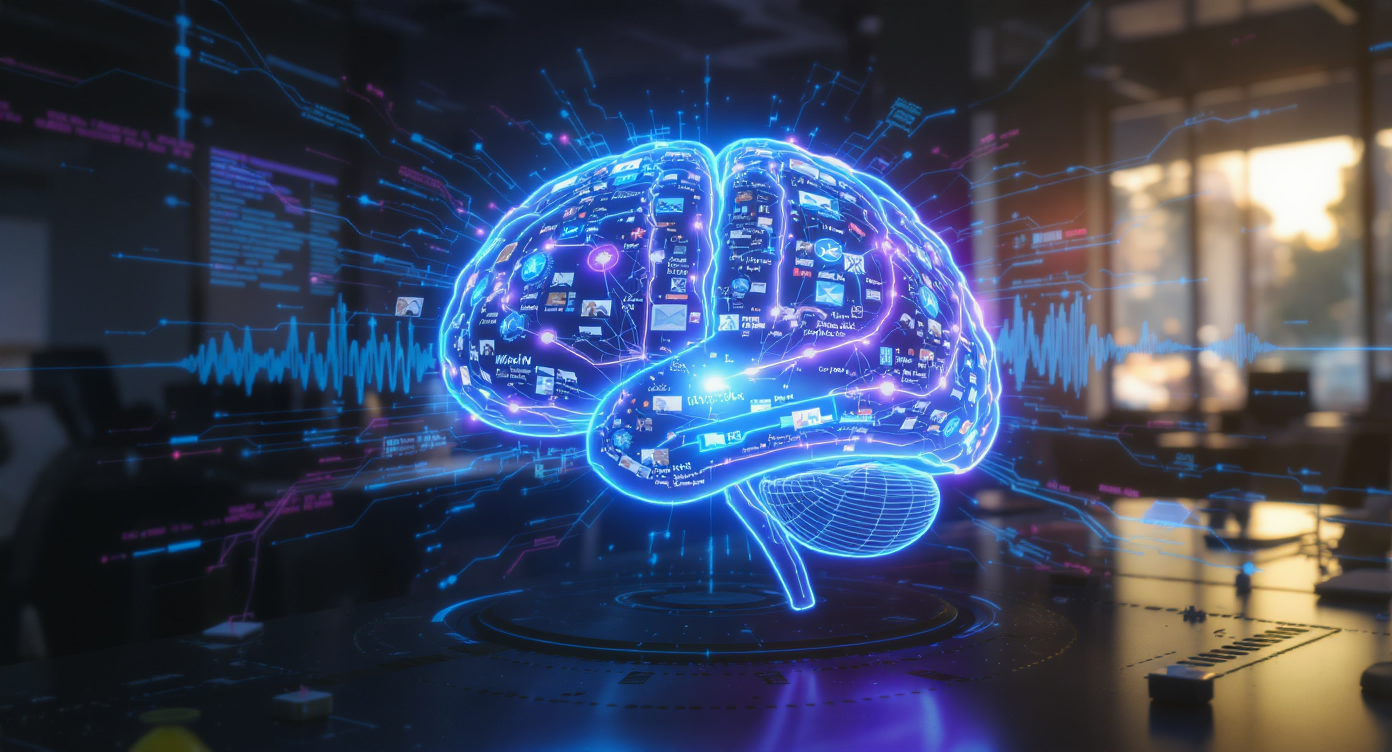
Unlike its predecessors that primarily excelled at text-based interactions, GPT-5 seamlessly integrates multiple forms of input and output, including text, images, audio, video, and even code. This convergence of capabilities represents a quantum leap toward truly intelligent systems that can understand context across different mediums, much like human cognition operates naturally.
The implications extend far beyond simple convenience. We’re looking at a technological advancement that promises to break down the silos between different types of work, enabling professionals to communicate with AI in whatever format best suits their needs while receiving equally versatile responses. This flexibility is already reshaping expectations about what AI can accomplish in professional settings.
Understanding GPT-5’s Multi-Modal Capabilities
GPT-5’s multi-modal architecture represents a sophisticated fusion of several AI technologies working in harmony. At its core, the system employs advanced neural networks that can process and generate content across multiple sensory channels simultaneously. This means a single prompt can include text descriptions, reference images, audio clips, and receive responses that intelligently combine these elements.
The visual processing capabilities have reached unprecedented sophistication. GPT-5 can analyze complex images, understand spatial relationships, read text within images, and even generate detailed visual content based on textual descriptions. Marketing professionals are already leveraging this to create comprehensive campaigns where AI generates both copy and visual concepts from a single creative brief.
Audio integration adds another dimension entirely. The system can transcribe speech with remarkable accuracy, understand tone and emotion in voice recordings, and generate natural-sounding speech that maintains contextual awareness from previous interactions. This has proven invaluable for content creators who need to produce podcasts, video narrations, or interactive voice applications.
Perhaps most impressive is GPT-5’s ability to maintain contextual coherence across different modalities. When working with a document that contains text, charts, and images, the AI doesn’t treat these as separate elements—it understands their interconnected meaning and can reference specific details from any component when generating responses.
The code generation and analysis features have evolved to handle complex programming tasks while explaining concepts through visual diagrams or flowcharts. Developers report significant productivity gains when GPT-5 can simultaneously write code, create documentation, and generate explanatory graphics from the same conversation thread.
Real-World Applications Transforming Industries
The practical applications of GPT-5’s multi-modal capabilities are already creating ripple effects across numerous industries. In healthcare, medical professionals are using the system to analyze patient scans while simultaneously reviewing written medical histories and generating comprehensive treatment plans that include visual aids for patient education.
Educational institutions have embraced GPT-5’s ability to create immersive learning experiences. Teachers can input lesson topics and receive complete educational packages including written materials, visual presentations, interactive exercises, and even audio explanations tailored to different learning styles. Students benefit from AI tutoring that can understand their questions whether submitted as text, images of handwritten work, or voice recordings.
The creative industries have experienced perhaps the most dramatic transformation. Advertising agencies report cutting campaign development time by 60% using GPT-5 to generate cohesive multi-media campaigns. The AI can produce television commercial scripts, accompanying storyboards, radio ad variations, and social media content packages from a single creative brief, maintaining brand consistency across all formats.
Architecture and design firms are leveraging GPT-5’s spatial understanding capabilities to interpret client mood boards, written requirements, and reference photos to generate preliminary design concepts complete with 3D visualizations and technical specifications. This has streamlined the initial design phase and improved client communication significantly.
In the legal sector, attorneys are using multi-modal capabilities to analyze contracts that contain charts, diagrams, and technical specifications alongside traditional legal text. GPT-5 can identify potential issues across all document elements and generate comprehensive legal briefs that address both textual and visual components of complex agreements.
Financial services have found value in GPT-5’s ability to analyze market data presentations, interpret financial charts, and generate investment reports that combine quantitative analysis with clear visual representations for client presentations.
Productivity and Workflow Integration
The integration of GPT-5’s multi-modal capabilities into existing workflows has fundamentally altered how teams approach collaborative projects. Traditional boundaries between different types of content creation have dissolved, enabling more fluid and efficient work processes.
Project management has been revolutionized through AI’s ability to understand project requirements submitted in various formats—whether through written specifications, reference images, audio recordings from meetings, or existing documentation. GPT-5 can synthesize these inputs into comprehensive project plans complete with visual timelines, resource allocation charts, and progress tracking systems.
Content marketing teams report dramatic improvements in efficiency when using GPT-5’s multi-modal approach. A single strategy session can yield blog posts, social media graphics, video scripts, infographic designs, and podcast outlines that maintain thematic consistency while targeting different audience preferences and platform requirements.
The research and development process has been streamlined significantly. Scientists and engineers can input research papers, experimental data, photographs of prototypes, and verbal hypotheses to receive comprehensive analysis reports that include data visualizations, theoretical explanations, and suggested experimental approaches.
Customer service departments have implemented multi-modal AI to handle support requests that arrive through various channels. Whether customers submit text descriptions, photos of problems, or voice messages, GPT-5 can provide appropriate responses that might include written instructions, helpful diagrams, or video tutorials.
The recruitment process has evolved to leverage GPT-5’s ability to analyze resumes alongside portfolio images, video interviews, and written assessments to generate comprehensive candidate evaluations that consider all submission formats equally.
Future Implications and Strategic Considerations
Looking toward the future, GPT-5’s multi-modal breakthrough signals a fundamental shift in how organizations should approach AI integration and workforce development. The technology’s trajectory suggests we’re moving toward AI systems that will serve as comprehensive creative and analytical partners rather than specialized tools for narrow tasks.
Skill development priorities are already shifting as professionals recognize the need to become proficient in AI collaboration across multiple modalities. The most successful workers are those learning to leverage AI’s multi-modal capabilities while focusing their human expertise on strategic thinking, emotional intelligence, and complex problem-solving that requires genuine creativity and ethical judgment.
Organizational structures may need significant adaptation as the lines between traditionally separate departments blur. When AI can seamlessly translate concepts between visual, auditory, and textual formats, the need for specialized intermediaries diminishes, potentially leading to flatter, more integrated team structures.
Competitive advantages will increasingly come from organizations that can effectively integrate multi-modal AI capabilities into their core processes. Companies that successfully harness these tools to accelerate innovation, improve customer experiences, and streamline operations will likely outpace competitors still operating with traditional, single-modal AI implementations.
Data strategy becomes crucial as multi-modal AI systems require diverse, high-quality datasets to function optimally. Organizations must develop comprehensive data management practices that can handle and organize information across multiple formats while maintaining privacy and security standards.
Ethical considerations grow more complex as AI systems become more capable of creating convincing content across multiple mediums. Organizations must develop robust guidelines for AI-generated content, ensuring transparency, accuracy, and appropriate human oversight, particularly in sensitive applications like healthcare, legal services, and educational content.
The democratization of multi-modal AI capabilities through GPT-5 also means that competitive advantages may be shorter-lived, requiring organizations to focus more heavily on implementation speed, creative applications, and the development of proprietary workflows that maximize AI capabilities within their specific contexts.
OpenAI’s GPT-5 represents more than just technological advancement—it’s a glimpse into a future where the boundaries between different forms of communication and creativity dissolve entirely. As we stand at this inflection point, the organizations and professionals who can most effectively integrate multi-modal AI capabilities into their work will shape the next chapter of human-AI collaboration.
How is your organization preparing to integrate multi-modal AI capabilities, and what challenges do you anticipate in adapting your current workflows to leverage these breakthrough technologies?
Comments