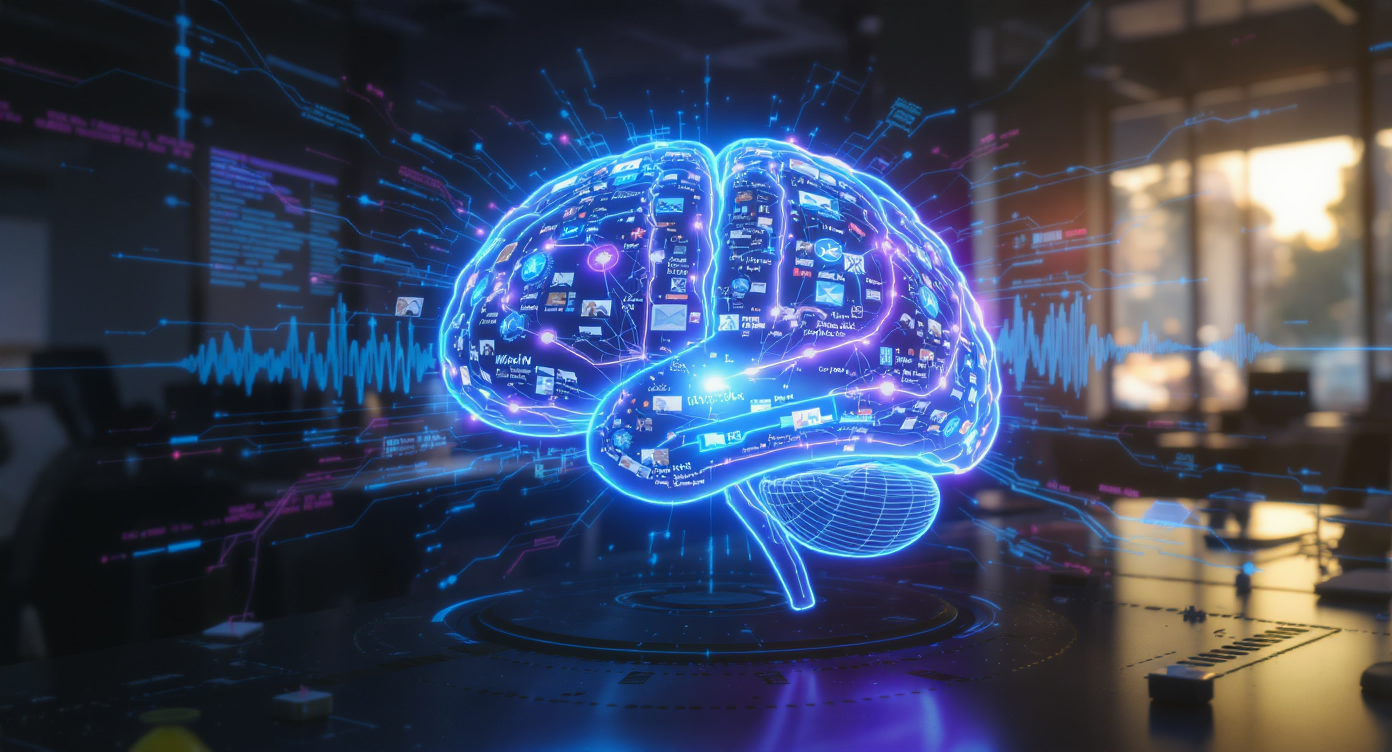
Artificial intelligence has reached another pivotal moment with OpenAI’s anticipated GPT-5 release, promising unprecedented advances in multimodal reasoning capabilities. This breakthrough represents a significant leap forward from previous models, fundamentally changing how AI systems process and understand information across different modalities – text, images, audio, and potentially video.
The evolution from GPT-4 to GPT-5 isn’t merely an incremental upgrade; it’s a paradigm shift that brings us closer to artificial general intelligence (AGI). While GPT-4 introduced impressive multimodal capabilities, GPT-5’s enhanced reasoning abilities promise to revolutionize how businesses, researchers, and everyday users interact with AI technology.
Understanding Multimodal Reasoning: The Foundation of Advanced AI
Multimodal reasoning represents the ability of AI systems to process, analyze, and synthesize information from multiple input types simultaneously. Unlike traditional AI models that excel in single domains, multimodal systems can understand relationships between text, images, sounds, and other data formats, creating a more holistic understanding of complex scenarios.
GPT-5’s multimodal reasoning capabilities extend far beyond simple recognition tasks. The system can now perform sophisticated analytical processes that mirror human cognitive abilities. For instance, when presented with a complex diagram alongside textual instructions, GPT-5 can identify visual elements, understand their relationships, interpret the accompanying text, and provide comprehensive insights that draw connections between all available information.
This advancement is particularly significant because it addresses one of the fundamental limitations of previous AI systems: the inability to truly understand context across different information types. GPT-5’s enhanced reasoning allows it to make inferences, identify patterns, and solve problems by leveraging multiple data streams simultaneously.
The practical implications are enormous. Consider a medical professional analyzing patient data that includes X-rays, lab reports, and clinical notes. GPT-5 can process all these information types together, identifying correlations and patterns that might escape human observation, while providing detailed explanations for its reasoning process.
Furthermore, GPT-5’s multimodal reasoning incorporates advanced temporal understanding, allowing it to analyze sequences of images or audio segments to understand progression, change, and causality over time. This capability opens new possibilities for applications in video analysis, process monitoring, and predictive modeling.
Breakthrough Features That Set GPT-5 Apart
The distinguishing features of GPT-5’s multimodal reasoning capabilities represent significant technological achievements that position it as a transformative AI system. One of the most notable improvements is its enhanced visual understanding, which goes beyond object recognition to include spatial reasoning, depth perception, and complex scene analysis.
GPT-5 demonstrates remarkable ability in mathematical and scientific reasoning when combining visual and textual information. It can analyze complex graphs, interpret scientific diagrams, and solve multi-step problems that require understanding relationships between different data representations. This capability is particularly valuable for educational applications, research, and technical documentation.
The model’s audio processing capabilities have also seen substantial improvements. GPT-5 can now analyze speech patterns, identify emotional nuances, and understand context from audio cues while simultaneously processing related visual or textual information. This creates opportunities for more sophisticated voice assistants, accessibility tools, and multimedia analysis applications.
Another breakthrough feature is GPT-5’s improved code understanding and generation across different programming languages while simultaneously analyzing user interface mockups, technical specifications, and natural language requirements. This multimodal approach to software development can significantly streamline the development process and improve code quality.
The system also demonstrates enhanced creative capabilities, combining text, visual concepts, and audio elements to generate comprehensive creative outputs. Whether designing marketing campaigns, creating educational content, or developing entertainment materials, GPT-5 can work across modalities to produce cohesive, engaging results.
Perhaps most importantly, GPT-5 exhibits improved metacognitive abilities – it can explain its reasoning process across different modalities, helping users understand how it arrives at conclusions and making the AI system more transparent and trustworthy.
Real-World Applications and Industry Impact
The practical applications of GPT-5’s multimodal reasoning advances span virtually every industry, creating opportunities for innovation and efficiency improvements across diverse sectors. In healthcare, the technology enables more comprehensive diagnostic support by analyzing medical images, patient records, and clinical data simultaneously, potentially improving accuracy and reducing diagnostic time.
Educational institutions can leverage GPT-5’s capabilities to create personalized learning experiences that adapt to different learning styles and incorporate various content formats. Students can interact with AI tutors that understand visual diagrams, spoken questions, and written assignments, providing comprehensive support across all learning modalities.
The business sector stands to benefit significantly from GPT-5’s enhanced analytical capabilities. Market research professionals can analyze consumer sentiment from social media posts, images, and video content simultaneously, gaining deeper insights into consumer behavior and preferences. Financial analysts can process earnings reports, market charts, and news articles together to make more informed investment decisions.
Manufacturing and quality control processes can be revolutionized through GPT-5’s ability to analyze production data, visual inspections, and operational parameters simultaneously. This comprehensive analysis can identify potential issues before they become costly problems and optimize production processes for better efficiency.
Content creation and marketing teams can utilize GPT-5’s multimodal capabilities to develop integrated campaigns that seamlessly blend text, visual, and audio elements. The AI can ensure consistency across different content formats while optimizing for specific audience segments and platforms.
In the legal field, GPT-5 can analyze case documents, evidence photos, and audio recordings together, helping legal professionals identify relevant information and build stronger cases. This capability is particularly valuable for complex litigation involving multiple evidence types.
The technology also promises to enhance accessibility solutions by providing comprehensive support for individuals with different disabilities. GPT-5 can simultaneously process audio descriptions, visual content, and text to create inclusive experiences that accommodate various accessibility needs.
Future Implications and Strategic Considerations
The introduction of GPT-5’s advanced multimodal reasoning capabilities signals a new era in AI development, with implications that extend far beyond immediate practical applications. Organizations must begin preparing for a future where AI systems can seamlessly integrate and analyze multiple information types, fundamentally changing how we approach problem-solving and decision-making.
Strategic planning for GPT-5 integration requires careful consideration of data infrastructure and organizational readiness. Companies need to ensure their data systems can support multimodal inputs and that their teams are prepared to work with AI systems that can process information in fundamentally new ways.
The competitive landscape will likely shift as organizations that effectively leverage GPT-5’s capabilities gain significant advantages over those that continue to rely on traditional approaches. Early adopters who invest in understanding and implementing multimodal AI solutions may establish market leadership positions that are difficult for competitors to challenge.
Privacy and security considerations become more complex with multimodal AI systems, as they process and analyze multiple data types that may contain sensitive information. Organizations must develop comprehensive policies and technical safeguards to protect data while maximizing the benefits of advanced AI capabilities.
The workforce implications of GPT-5’s capabilities require proactive management. While the technology will undoubtedly automate certain tasks, it also creates opportunities for new roles and enhanced human-AI collaboration. Companies should focus on reskilling and upskilling initiatives that prepare their workforce for this new paradigm.
Regulatory frameworks will need to evolve to address the unique challenges and opportunities presented by advanced multimodal AI systems. Organizations should stay informed about developing regulations and participate in industry discussions about responsible AI implementation.
The potential for GPT-5 to accelerate scientific research and innovation is particularly significant. By analyzing research papers, experimental data, and visual results simultaneously, the technology could help researchers identify new patterns and accelerations breakthrough discoveries across multiple disciplines.
As we stand on the brink of this AI revolution, the question isn’t whether GPT-5’s multimodal reasoning will transform industries, but how quickly organizations will adapt to harness its potential. The companies and individuals who begin preparing now will be best positioned to leverage these breakthrough capabilities.
What steps is your organization taking to prepare for the multimodal AI revolution, and how do you envision integrating these advanced capabilities into your current workflows?


Comments