
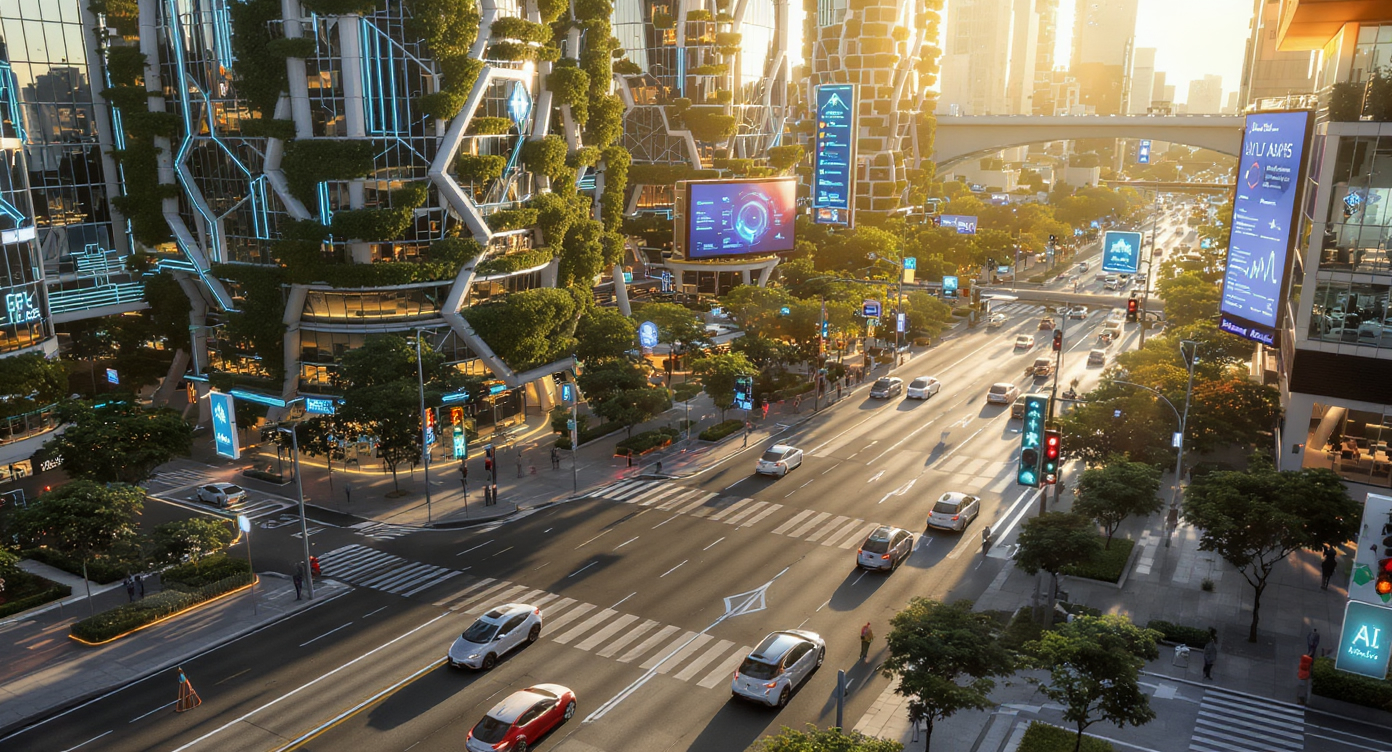
The urban landscape is undergoing a revolutionary transformation as artificial intelligence reshapes how cities manage their energy consumption. In 2025, smart cities leveraging AI-powered systems have achieved remarkable energy cost reductions of up to 40%, setting new benchmarks for sustainable urban living. This breakthrough represents more than just technological advancement—it’s a fundamental shift toward intelligent resource management that promises to redefine city operations worldwide.
As urban populations continue to surge, with the United Nations projecting that 68% of the global population will live in cities by 2050, the pressure on municipal energy systems intensifies. Traditional energy management approaches simply cannot keep pace with growing demand while maintaining cost efficiency. Enter AI-powered smart city solutions that are proving capable of optimizing energy consumption across entire metropolitan areas through sophisticated predictive analytics, real-time monitoring, and automated response systems.
The integration of artificial intelligence into city infrastructure has created unprecedented opportunities for energy optimization. Machine learning algorithms now analyze vast datasets from millions of connected devices, weather patterns, traffic flows, and citizen behavior patterns to make split-second decisions that dramatically reduce energy waste. This intelligent approach to city management is delivering tangible results that extend far beyond mere cost savings.
How AI Optimizes Urban Energy Systems
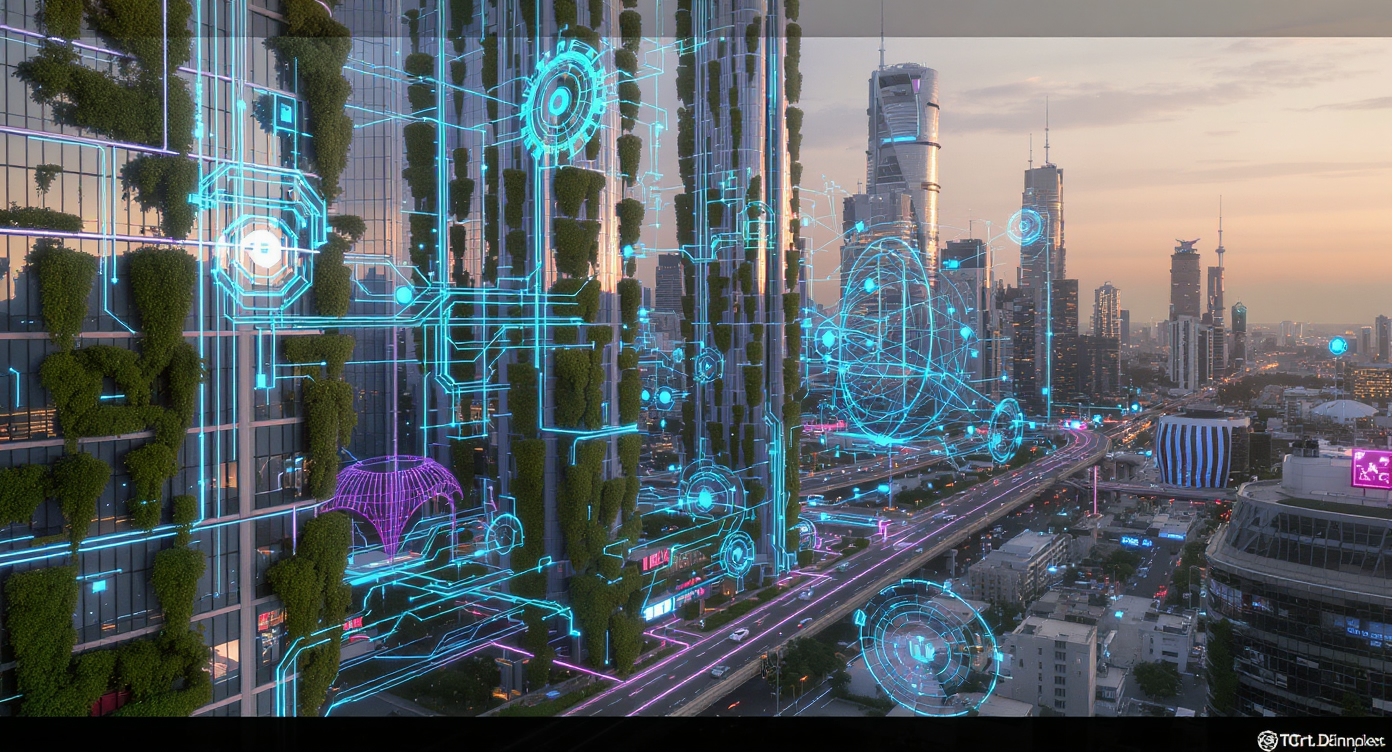
The foundation of AI-powered energy optimization lies in the seamless integration of Internet of Things (IoT) sensors, machine learning algorithms, and automated control systems across city infrastructure. Smart cities deploy thousands of interconnected sensors that continuously monitor energy consumption patterns in buildings, streetlights, traffic systems, and public facilities. This real-time data feeds into sophisticated AI platforms that identify inefficiencies and automatically adjust energy usage to optimize performance.
Predictive Energy Management forms the cornerstone of these systems. AI algorithms analyze historical consumption data alongside external factors like weather forecasts, special events, and seasonal patterns to predict energy demand with remarkable accuracy. Cities can now anticipate peak usage periods and proactively adjust energy distribution, preventing costly demand spikes and reducing reliance on expensive peak-hour energy sources.
Dynamic Load Balancing represents another crucial advancement. AI systems continuously redistribute electrical loads across the grid, ensuring optimal efficiency while preventing system overloads. When one area experiences reduced demand, the system automatically redirects energy to high-consumption zones, minimizing waste and reducing the need for additional power generation.
Smart lighting systems exemplify AI optimization in action. Traditional streetlights operate on fixed schedules, consuming energy regardless of actual need. AI-powered lighting systems adjust brightness based on pedestrian traffic, weather conditions, and ambient light levels. Motion sensors trigger full illumination only when needed, while areas with consistent low activity operate at reduced power levels. These systems have achieved energy savings of 50-70% in participating cities.
Building management systems benefit enormously from AI integration. Machine learning algorithms analyze occupancy patterns, weather data, and usage history to optimize heating, ventilation, and air conditioning (HVAC) systems in real-time. The AI learns from building usage patterns, automatically adjusting temperature settings, air circulation, and lighting to maintain comfort while minimizing energy consumption.
Real-World Success Stories and Case Studies
Barcelona, Spain stands as a pioneering example of comprehensive smart city energy management. The city’s integrated AI platform manages over 20,000 smart meters, 1,100 connected buildings, and thousands of IoT sensors throughout the metropolitan area. Since implementing their AI-powered energy management system in 2024, Barcelona has achieved a 38% reduction in municipal energy costs while improving service quality across city departments.
The city’s smart water management system deserves particular attention. AI algorithms analyze consumption patterns, detect leaks in real-time, and optimize water pressure throughout the distribution network. This system has reduced water waste by 25% while cutting energy costs associated with water pumping and treatment by 35%. Citizens benefit from improved water pressure consistency and reduced utility costs.
Singapore’s Smart Nation Initiative showcases how AI can optimize energy consumption in tropical urban environments. The city-state’s AI platform integrates building management systems across thousands of residential and commercial properties, creating a unified energy optimization network. Machine learning algorithms account for Singapore’s unique climate challenges, adjusting cooling systems based on humidity levels, solar radiation, and building occupancy patterns.
The results speak volumes: Singapore has achieved a 42% reduction in public building energy costs while maintaining superior comfort levels. The system’s predictive maintenance capabilities have also reduced equipment failures by 60%, further contributing to cost savings and system reliability.
Amsterdam, Netherlands has implemented an innovative AI-powered district energy system that connects multiple buildings through a shared heating and cooling network. The AI platform optimizes energy sharing between buildings, allowing structures with excess heating capacity to support neighboring buildings with higher demand. This collaborative approach has reduced district energy costs by 45% while significantly lowering carbon emissions.
The city’s transportation integration adds another layer of optimization. AI systems coordinate traffic light timing with electric public transportation schedules, reducing energy consumption from buses and trams while improving traffic flow efficiency. This integrated approach demonstrates how AI can create synergies between different city systems for maximum energy savings.
Toronto, Canada provides an excellent example of AI optimization in cold climate conditions. The city’s smart snow removal and street maintenance system uses AI to predict weather patterns and optimize heating systems for roads and walkways. By heating infrastructure only when necessary and at optimal temperatures, Toronto has reduced winter energy costs by 35% while improving public safety.
Implementation Strategies and Best Practices
Successfully implementing AI-powered energy optimization requires careful planning, stakeholder engagement, and phased deployment strategies. Cities embarking on smart energy initiatives must consider several critical factors to maximize their investment returns and ensure long-term success.
Infrastructure Assessment and Planning represents the crucial first step. Cities must evaluate existing energy infrastructure, identify optimization opportunities, and develop comprehensive deployment roadmaps. This assessment should include detailed analysis of current energy consumption patterns, identification of inefficient systems, and evaluation of integration possibilities with existing city management platforms.
Successful smart cities prioritize interoperability and standardization from the outset. AI platforms must seamlessly integrate with various vendors’ equipment and systems to avoid costly vendor lock-in situations. Open standards and API-first approaches enable cities to gradually expand their smart energy capabilities while maintaining system flexibility.
Citizen engagement and privacy protection cannot be overlooked. Smart city energy systems collect vast amounts of data about citizen behavior and consumption patterns. Cities must implement robust privacy protections while educating citizens about the benefits of data sharing for energy optimization. Transparent communication about data usage and clear opt-out mechanisms build public trust essential for system success.
Phased implementation strategies prove most effective for large-scale deployments. Starting with pilot projects in specific districts or building types allows cities to refine their AI algorithms, train staff, and demonstrate value before expanding city-wide. This approach also enables budget management and risk mitigation throughout the deployment process.
Training and capacity building for city staff ensures sustainable long-term operation. AI-powered energy systems require new skill sets for monitoring, maintenance, and optimization. Cities investing in comprehensive staff training programs see better system performance and faster return on investment.
Financial planning and partnership models significantly impact implementation success. Many cities leverage public-private partnerships to fund smart energy initiatives, sharing costs and risks with technology vendors. Performance-based contracts that tie vendor compensation to achieved energy savings align incentives and reduce financial risks for municipalities.
Future Outlook and Emerging Trends
The trajectory of AI-powered smart city energy optimization points toward even more sophisticated and comprehensive systems in the coming years. Emerging technologies and evolving urban challenges will drive continued innovation in intelligent energy management.
Edge computing integration promises to enhance AI system responsiveness by processing data closer to sensors and devices. This approach reduces latency in energy optimization decisions while decreasing bandwidth requirements for data transmission. Cities implementing edge-enabled AI systems expect to achieve even greater energy savings through faster response times and more granular control.
Renewable energy integration represents a major frontier for AI optimization. As cities increase their reliance on solar, wind, and other renewable sources, AI systems must become more sophisticated in managing variable energy supplies. Advanced machine learning algorithms will balance renewable energy generation with storage systems and traditional sources to maintain grid stability while maximizing clean energy utilization.
Citizen participation platforms are evolving to include gamification elements that encourage energy-conscious behavior. AI systems will provide personalized energy saving recommendations to citizens through mobile applications, creating community-wide energy reduction challenges and rewards programs. This human-AI collaboration approach could amplify energy savings beyond current infrastructure-focused achievements.
Cross-city collaboration and data sharing will enable AI systems to learn from multiple urban environments simultaneously. Cities sharing anonymized energy optimization data will accelerate AI learning and improve system performance across participating municipalities. This collaborative approach could lead to standardized best practices and more effective energy management strategies.
The integration of autonomous vehicle systems with city energy management presents exciting possibilities. As electric autonomous vehicles become prevalent, AI systems will coordinate vehicle charging with grid demand, potentially using vehicle batteries as distributed energy storage systems. This vehicle-to-grid integration could provide additional grid stabilization and energy optimization opportunities.
Climate adaptation features will become increasingly important as cities face more extreme weather events. AI systems will need to optimize energy consumption while maintaining resilience during heat waves, cold snaps, and severe weather conditions. Machine learning algorithms will balance energy efficiency with system reliability to ensure cities remain functional during climate-related challenges.
The economic implications extend well beyond direct energy cost savings. Cities achieving 40% energy cost reductions can redirect substantial budget resources toward other critical services like education, healthcare, and infrastructure improvements. This multiplier effect makes AI-powered energy optimization a catalyst for broader urban development and quality of life improvements.
Smart cities leading in AI energy optimization are also attracting businesses and talent seeking sustainable urban environments. This economic development benefit creates positive feedback loops that support continued investment in smart city technologies and infrastructure improvements.
As we witness these remarkable achievements in energy cost reduction through AI-powered smart city systems, the question becomes not whether cities should adopt these technologies, but how quickly they can implement them effectively. The 40% energy cost reductions achieved in 2025 represent just the beginning of a transformation that will reshape urban living for decades to come.
What specific energy challenges in your city could benefit most from AI-powered optimization, and what steps would you take to build community support for smart city initiatives?

Comments