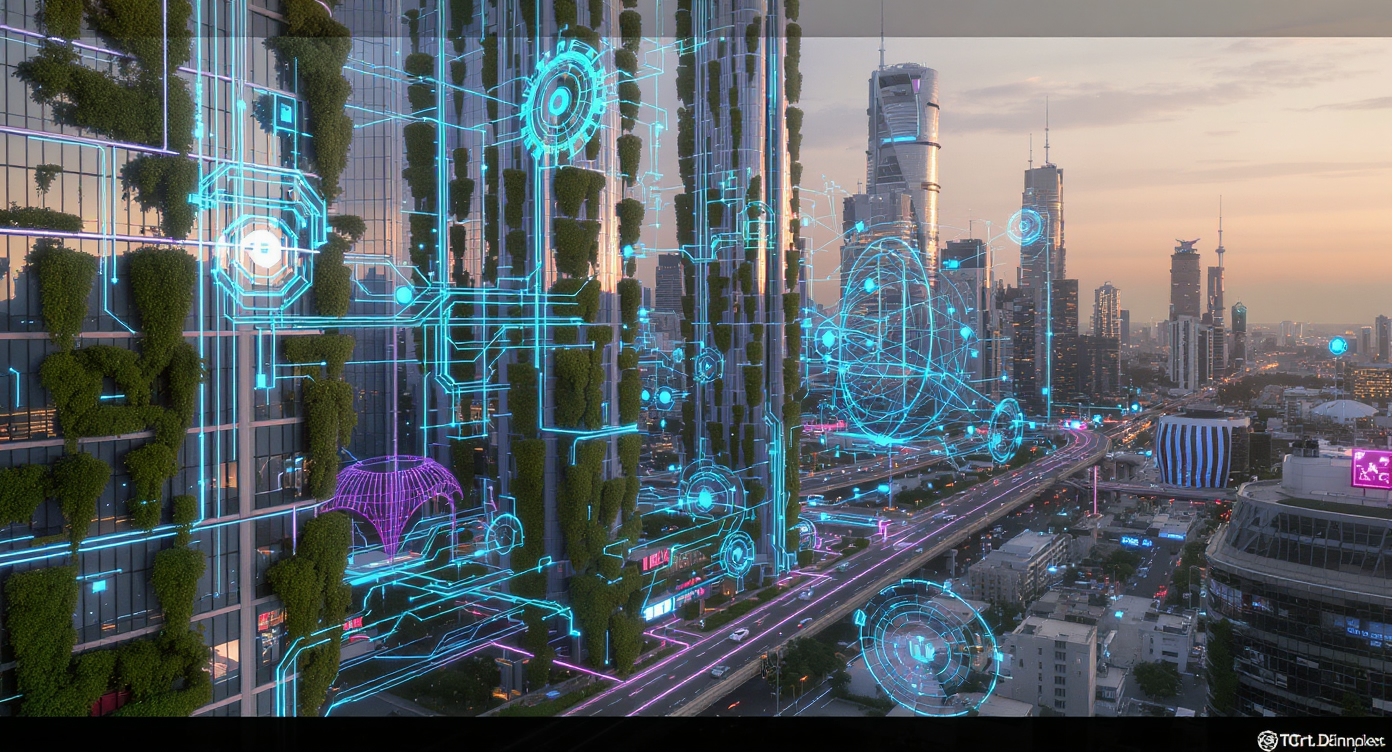
The urban landscape of 2026 is dramatically different from just a few years ago. Cities worldwide are experiencing a revolutionary transformation, driven by sophisticated artificial intelligence systems that are reshaping how we plan, build, and live in urban environments. This isn’t science fiction—it’s the reality of today’s smart cities, where AI algorithms analyze millions of data points to create more efficient, sustainable, and livable urban spaces.
As we navigate through 2026, the integration of AI into urban planning has moved beyond experimental pilot programs to become the backbone of modern city development. From optimizing traffic flow to predicting infrastructure needs decades in advance, AI-powered systems are solving complex urban challenges that traditional planning methods struggled to address.
The AI Revolution in Urban Planning: Real-World Applications
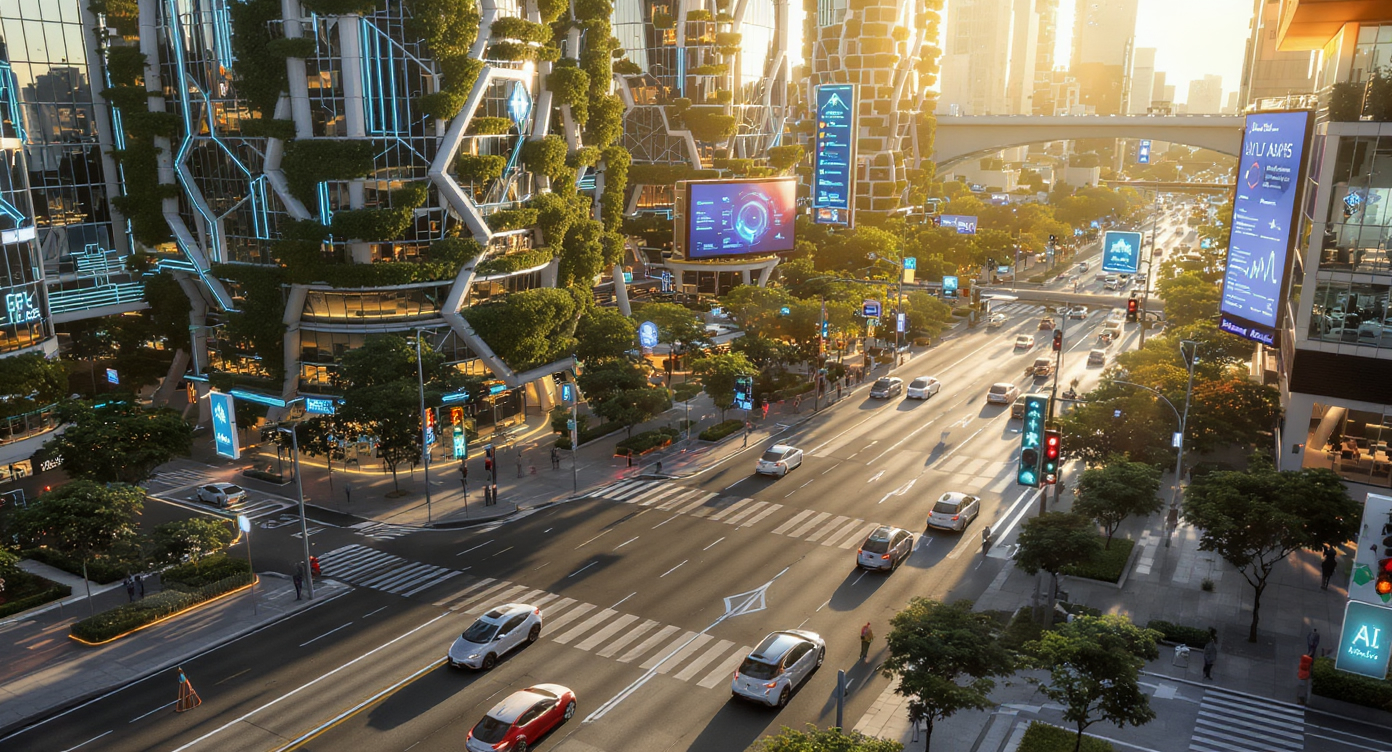
The most visible impact of AI in smart cities lies in traffic management and transportation optimization. Cities like Singapore, Barcelona, and Toronto have implemented comprehensive AI systems that process real-time data from thousands of sensors, cameras, and connected devices. These systems don’t just react to traffic conditions—they predict them.
In Singapore’s smart traffic network, AI algorithms analyze historical traffic patterns, weather conditions, special events, and even social media trends to anticipate congestion before it occurs. The system automatically adjusts traffic light timing, suggests alternative routes through mobile apps, and coordinates with public transportation to reduce overall urban mobility stress. The results are remarkable: average commute times have decreased by 23%, while carbon emissions from transportation dropped by 18% in the past two years.
Smart waste management represents another breakthrough application. Cities are deploying AI-powered sensors in garbage bins that predict fill levels, optimize collection routes, and identify recycling contamination in real-time. Barcelona’s smart waste system has reduced collection costs by 30% while improving recycling rates to over 65%—well above the European Union average.
Energy management in smart cities showcases AI’s predictive capabilities at their finest. Urban AI systems now forecast energy demand with 94% accuracy up to 48 hours in advance, enabling cities to optimize renewable energy distribution, reduce peak demand stress, and minimize reliance on fossil fuel backup systems. Copenhagen’s AI-driven district heating system has achieved a 20% reduction in energy waste while maintaining consistent service across the city’s 1.3 million residents.
Public safety has been transformed through AI-powered predictive policing and emergency response systems. These platforms analyze crime patterns, social indicators, and environmental factors to deploy resources more effectively. While privacy concerns remain paramount, cities implementing these systems with proper oversight have seen significant reductions in response times and more efficient allocation of public safety resources.
Data-Driven Infrastructure Planning and Development
The foundation of AI-powered urban planning lies in comprehensive data collection and analysis. Smart cities in 2026 operate vast networks of IoT sensors, satellite imagery, mobile device data, and citizen-reported information to create detailed digital twins of urban environments. These digital replicas allow planners to simulate proposed changes, predict outcomes, and optimize designs before breaking ground.
Machine learning algorithms process this data to identify patterns invisible to human analysis. For instance, AI can correlate air quality data with traffic patterns, weather conditions, building heights, and vegetation coverage to pinpoint optimal locations for new developments or green spaces. This holistic approach ensures that new infrastructure projects consider their full environmental and social impact.
Predictive maintenance has revolutionized infrastructure management. AI systems continuously monitor the structural health of bridges, roads, water pipes, and buildings through embedded sensors and regular drone inspections. By analyzing vibration patterns, material stress, and environmental exposure, these systems can predict infrastructure failures months or even years in advance, enabling proactive maintenance that prevents costly emergency repairs and service disruptions.
Housing development and urban growth planning benefit enormously from AI analysis. Machine learning models examine demographic trends, economic indicators, migration patterns, and lifestyle preferences to predict future housing needs with unprecedented accuracy. Cities use this information to zone areas for development, plan public transportation routes, and ensure adequate social services are available where populations are expected to grow.
Water management systems exemplify AI’s problem-solving capabilities. Smart cities monitor water quality, distribution pressure, consumption patterns, and weather forecasts to optimize water treatment and distribution. AI algorithms can detect leaks within hours rather than weeks, predict seasonal demand fluctuations, and automatically adjust treatment processes to maintain quality standards while minimizing chemical usage and energy consumption.
Enhancing Citizen Engagement Through Smart Technology
The relationship between city governments and residents has fundamentally changed in AI-powered smart cities. Digital platforms now enable unprecedented levels of citizen participation in urban planning decisions, while AI systems help city officials better understand and respond to community needs.
Participatory planning platforms use natural language processing to analyze thousands of citizen comments, survey responses, and social media posts about proposed developments or city issues. AI algorithms identify common themes, concerns, and suggestions, providing city planners with comprehensive public opinion analysis that would be impossible to process manually. This technology ensures that community voices are heard and considered in planning decisions.
Mobile applications serve as the primary interface between citizens and smart city systems. Residents can report infrastructure problems, request services, provide feedback on city initiatives, and access real-time information about transportation, events, and city services. AI chatbots provide immediate responses to common inquiries, while more complex issues are automatically routed to appropriate city departments with relevant context and priority levels.
Personalized city services represent the cutting edge of citizen engagement. AI systems learn individual preferences and needs to provide customized information and services. For example, the system might notify a parent about optimal school enrollment timing, alert a small business owner about relevant permit requirements, or suggest the best public transportation routes based on a resident’s typical travel patterns and accessibility needs.
Real-time feedback mechanisms allow cities to gauge public sentiment about changes and initiatives quickly. AI-powered sentiment analysis processes feedback from multiple channels—mobile apps, social media, public forums, and direct surveys—to provide city officials with immediate insights into public opinion. This rapid feedback loop enables cities to adjust policies and implementations based on citizen responses.
Challenges and Future Prospects in AI Urban Planning
Despite remarkable progress, AI-powered urban planning faces significant challenges that cities must navigate carefully. Privacy concerns top the list, as comprehensive data collection raises questions about surveillance and personal privacy. Successful smart cities in 2026 have implemented robust data governance frameworks, ensuring transparency about data collection, usage, and storage while giving citizens control over their personal information.
The digital divide remains a critical issue. While AI systems optimize city services, not all residents have equal access to the digital interfaces required to benefit fully from these improvements. Progressive cities are investing heavily in digital literacy programs, public internet access, and alternative service delivery methods to ensure smart city benefits reach all residents, regardless of their technological capabilities.
Algorithmic bias presents ongoing challenges in AI decision-making systems. Cities are implementing regular audits of their AI systems to identify and correct biases that might disadvantage certain communities or demographics. This includes diverse data sets, inclusive algorithm design, and continuous monitoring of outcomes to ensure equitable service delivery across all urban populations.
Interoperability between different AI systems and legacy infrastructure requires ongoing attention. Cities must balance the adoption of cutting-edge technology with the need to maintain and integrate existing systems. This challenge is driving the development of standardized protocols and interfaces that allow different smart city systems to communicate and coordinate effectively.
Looking ahead, the integration of quantum computing promises to enhance AI capabilities exponentially. Quantum-powered AI systems will be able to process vastly more complex urban planning scenarios, optimize multiple variables simultaneously, and provide even more accurate predictions about urban development outcomes.
Climate change adaptation represents the next frontier for AI urban planning. Advanced systems are being developed to help cities prepare for and adapt to changing environmental conditions, from sea-level rise to extreme weather events. These systems will help cities design resilient infrastructure, plan evacuation routes, and optimize resource allocation for climate-related challenges.
The evolution of AI-powered smart cities continues at a rapid pace, with new capabilities and applications emerging regularly. As we progress through 2026 and beyond, the potential for AI to solve complex urban challenges and improve quality of life for city residents continues to expand.
How do you envision AI-powered urban planning impacting your community, and what aspects of smart city development are you most excited about or concerned about?


Comments