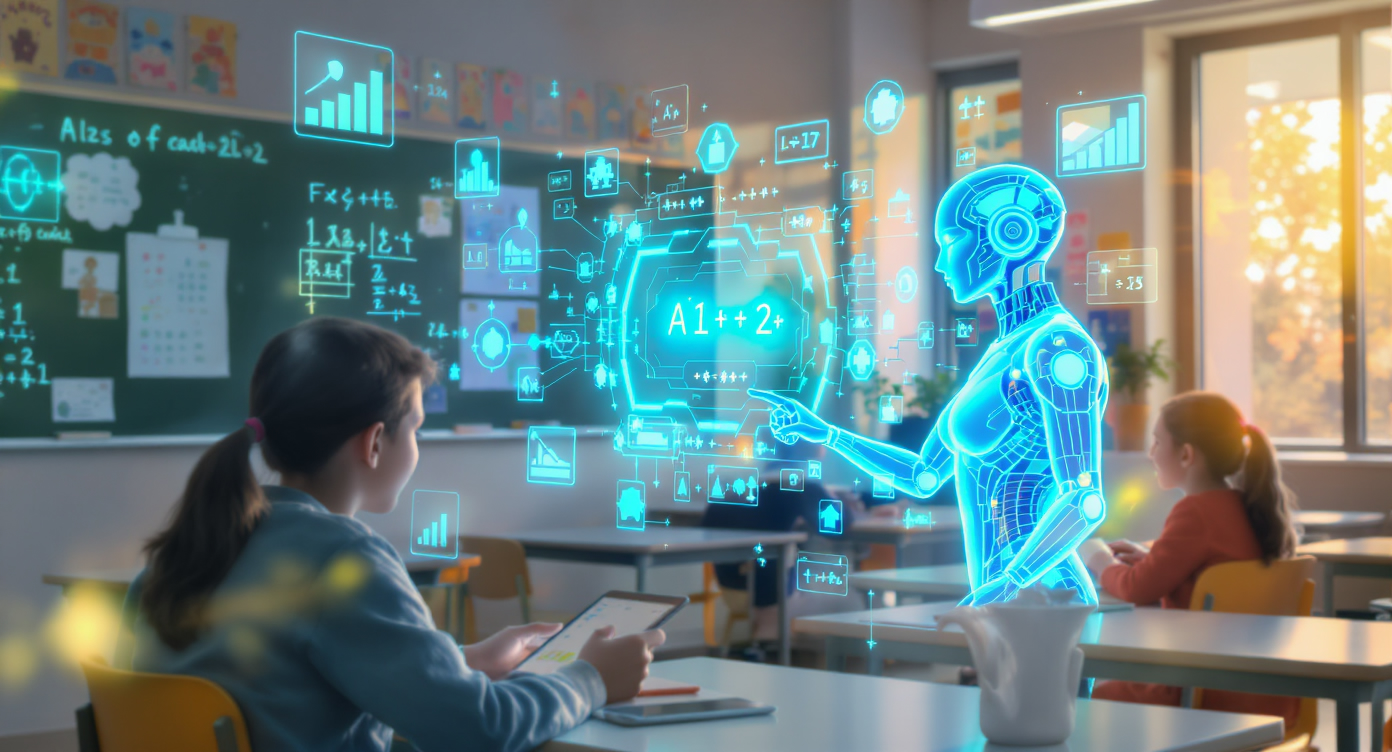
The landscape of education is undergoing a revolutionary transformation, with artificial intelligence leading the charge in personalizing learning experiences. Recent studies have revealed that AI tutoring systems are achieving unprecedented success rates, with some programs reporting up to 95% student success rates. This remarkable achievement is reshaping how we think about educational delivery and student support.
Traditional tutoring methods, while effective, have long faced challenges related to accessibility, consistency, and scalability. AI tutoring systems address these limitations by providing personalized, adaptive learning experiences available 24/7. These intelligent platforms analyze student performance in real-time, identify knowledge gaps, and adjust instruction accordingly, creating a truly individualized educational journey for each learner.
The 95% success rate reported by leading AI tutoring platforms represents a significant leap forward in educational technology. This impressive metric encompasses various measures of student achievement, including improved test scores, better retention rates, and enhanced conceptual understanding. The success stems from AI’s ability to process vast amounts of learning data and respond to individual student needs with precision that would be impossible for human tutors to match at scale.
How AI Tutoring Systems Achieve Superior Results
AI tutoring systems leverage sophisticated algorithms and machine learning models to create highly effective learning environments. These systems excel through several key mechanisms that traditional tutoring approaches struggle to replicate consistently.
Adaptive Learning Pathways form the foundation of AI tutoring success. Unlike one-size-fits-all educational approaches, AI systems create unique learning trajectories for each student. The technology continuously assesses student responses, identifies patterns in learning behavior, and adjusts the difficulty, pace, and style of instruction accordingly. This dynamic adaptation ensures students remain challenged without becoming overwhelmed.
Real-Time Performance Analytics enable AI tutors to make instant adjustments to teaching strategies. When a student struggles with a particular concept, the system immediately recognizes the difficulty and provides additional explanations, alternative teaching methods, or prerequisite review materials. This immediate responsiveness prevents students from falling behind and maintains momentum in their learning journey.
Personalized Content Delivery represents another crucial advantage of AI tutoring systems. These platforms analyze individual learning preferences, including visual, auditory, or kinesthetic learning styles, and present information in the most effective format for each student. The AI can switch between video explanations, interactive simulations, written materials, or hands-on exercises based on what works best for the individual learner.
Intelligent Feedback Systems provide students with detailed, constructive guidance that goes beyond simple right or wrong answers. AI tutors explain why certain approaches work, highlight common misconceptions, and suggest strategies for improvement. This comprehensive feedback helps students develop deeper understanding and critical thinking skills.
The combination of these elements creates a learning environment that adapts to each student’s unique needs, preferences, and learning pace, resulting in the exceptional success rates we’re seeing across various AI tutoring platforms.
Key Benefits Driving Student Success
The remarkable effectiveness of AI tutoring systems stems from several interconnected benefits that address longstanding challenges in education. Understanding these advantages helps explain why students are achieving such high success rates with AI-powered learning platforms.
24/7 Availability and Accessibility eliminate traditional barriers to learning support. Students can access help whenever they need it, whether at 2 AM while working on homework or during lunch break at school. This constant availability means learning difficulties are addressed immediately rather than festering into larger comprehension gaps. The accessibility also extends to students in remote areas or those with scheduling conflicts who might otherwise struggle to access quality tutoring.
Infinite Patience and Consistency represent significant advantages of AI tutors over human instructors. AI systems never become frustrated with slow learners or tired after long teaching sessions. They provide the same level of enthusiasm and detailed explanation whether it’s the first question or the hundredth. This consistency creates a supportive learning environment where students feel comfortable asking questions and making mistakes.
Comprehensive Progress Tracking allows both students and educators to monitor learning progress with unprecedented detail. AI systems track not just final answers but also problem-solving approaches, time spent on different concepts, and patterns of confusion. This data provides valuable insights into learning effectiveness and helps identify areas requiring additional attention before they become significant obstacles.
Cost-Effective Scaling makes high-quality tutoring accessible to a broader range of students. While premium human tutoring can cost $50-100+ per hour, AI tutoring systems can serve thousands of students simultaneously at a fraction of the cost. This democratization of access to quality educational support contributes significantly to improved success rates across diverse student populations.
Gamification and Engagement Features keep students motivated throughout their learning journey. AI tutoring systems incorporate game-like elements, achievement badges, progress visualizations, and interactive challenges that make learning enjoyable. This enhanced engagement leads to longer study sessions, better retention, and more positive attitudes toward learning.
These benefits work synergistically to create learning environments where students are more likely to persist through challenges, engage deeply with material, and ultimately succeed in their educational goals.
Implementation Strategies for Educational Institutions
Successfully integrating AI tutoring systems into educational environments requires careful planning and strategic implementation. Institutions achieving the highest success rates follow proven approaches that maximize the benefits of AI-powered learning while addressing potential challenges.
Gradual Integration Approaches prove most effective for institutions new to AI tutoring technology. Rather than attempting complete system overhauls, successful schools begin with pilot programs in specific subjects or grade levels. This allows educators to become familiar with the technology, identify best practices, and refine implementation strategies before expanding to broader student populations. Starting with subjects where students traditionally struggle, such as mathematics or science, often yields the most dramatic improvements in success rates.
Teacher Training and Support Programs are essential for successful AI tutoring implementation. Educators need comprehensive training on how AI systems work, how to interpret student progress data, and how to integrate AI insights into their teaching strategies. The most successful implementations treat AI tutoring as a complement to human instruction rather than a replacement, requiring teachers to develop new skills in managing blended learning environments.
Student Orientation and Digital Literacy development ensures students can effectively utilize AI tutoring systems. Comprehensive orientation programs teach students how to interact with AI tutors, interpret feedback, and take advantage of personalized learning features. Digital literacy training helps students develop the technical skills needed to navigate AI platforms effectively and troubleshoot common issues independently.
Data Privacy and Security Protocols must be established before implementing AI tutoring systems. Educational institutions need robust policies governing student data collection, storage, and usage. Successful implementations prioritize transparency with students and parents about data usage while ensuring compliance with educational privacy regulations such as FERPA in the United States.
Continuous Assessment and Optimization characterize the most successful AI tutoring implementations. Institutions regularly analyze student performance data, gather feedback from teachers and students, and make adjustments to maximize effectiveness. This might involve customizing AI algorithms for specific curricula, adjusting content delivery methods, or modifying integration strategies based on observed outcomes.
Infrastructure and Technical Support considerations cannot be overlooked when implementing AI tutoring systems. Schools need reliable internet connectivity, appropriate devices for student access, and technical support systems to address inevitable technology issues. Planning for these requirements upfront prevents implementation delays and ensures smooth operation once systems are deployed.
The Future of AI-Powered Education
The exceptional success rates achieved by current AI tutoring systems represent just the beginning of artificial intelligence’s transformative impact on education. Emerging developments in AI technology promise even more impressive educational outcomes and expanded applications across various learning contexts.
Advanced Natural Language Processing capabilities are making AI tutors increasingly conversational and responsive to student needs. Future systems will better understand context, emotion, and nuanced communication, enabling more natural interactions between students and AI tutors. This enhanced communication ability will particularly benefit students who learn best through discussion and verbal explanation.
Predictive Analytics and Early Intervention systems are being developed to identify students at risk of academic difficulties before problems become serious. By analyzing patterns in student behavior, engagement, and performance, AI systems can alert educators to potential issues and recommend targeted interventions. This proactive approach promises to push success rates even higher by preventing academic failure rather than simply responding to it.
Integration with Virtual and Augmented Reality technologies will create immersive learning experiences that make abstract concepts tangible and engaging. Students will be able to explore historical events, manipulate molecular structures, or practice complex procedures in safe, virtual environments guided by AI tutors. These technologies particularly benefit kinesthetic learners who struggle with traditional text-based instruction.
Collaborative AI Learning Networks are emerging that allow AI systems to share successful teaching strategies and adapt to new educational challenges more quickly. As these networks grow, AI tutors will become increasingly sophisticated and effective, continuously improving their ability to support student success.
The trajectory of AI tutoring development suggests that 95% success rates may soon become the baseline expectation rather than an exceptional achievement. As these technologies mature and become more widely accessible, they promise to fundamentally reshape educational outcomes and opportunities for students worldwide.
The remarkable success of AI tutoring systems in achieving 95% student success rates demonstrates the transformative potential of artificial intelligence in education. These platforms address longstanding challenges in personalized learning, accessibility, and educational effectiveness while pointing toward an even more promising future for AI-powered education.
What steps is your educational institution taking to explore and implement AI tutoring technologies to enhance student success?

Comments