
Meta’s artificial intelligence assistant has officially crossed a remarkable threshold, reaching 500 million users worldwide. This milestone represents not just a numerical achievement, but a fundamental shift in how billions of people interact with AI technology in their daily lives. The rapid adoption rate underscores the growing integration of AI assistants into mainstream social media platforms and messaging applications.
The significance of this achievement extends far beyond Meta’s corporate success story. It signals a new era where AI assistants are becoming as commonplace as traditional social media features, fundamentally changing how users create content, seek information, and engage with digital platforms. This explosive growth trajectory positions Meta’s AI assistant as one of the fastest-growing AI products in history, rivaling even the most successful consumer technology launches.
The Journey to 500 Million: Breaking Down the Growth Strategy
Meta’s path to 500 million users wasn’t accidental—it was the result of a carefully orchestrated integration strategy across the company’s ecosystem of platforms. Unlike standalone AI applications that require separate downloads and account creation, Meta embedded its AI assistant directly into Facebook, Instagram, WhatsApp, and Messenger, creating unprecedented accessibility for existing users.
The integration approach proved genius in its simplicity. Users didn’t need to learn new interfaces or download additional applications. Instead, they encountered the AI assistant naturally within their existing workflows, whether composing posts, editing images, or seeking quick information during conversations. This friction-free approach eliminated traditional adoption barriers that have historically slowed AI product uptake.
Meta’s timing also proved crucial. The launch coincided with peak consumer curiosity about AI capabilities, following the mainstream awareness created by ChatGPT and similar tools. However, while other AI assistants required users to leave their preferred platforms, Meta offered AI functionality without disrupting established user habits and preferences.
The company’s vast global user base provided an enormous potential market for immediate testing and iteration. With over 3 billion users across its platforms, Meta could rapidly gather feedback, identify usage patterns, and refine the assistant’s capabilities based on real-world interactions at unprecedented scale.
Key Features Driving Massive User Adoption
The AI assistant’s feature set reflects Meta’s deep understanding of social media user behavior and content creation needs. Image generation capabilities have emerged as one of the most popular features, allowing users to create custom visuals for posts, stories, and messages without requiring design skills or external tools.
Conversational abilities represent another cornerstone of the assistant’s appeal. Users can engage in natural language conversations to brainstorm ideas, get writing assistance, or receive explanations on complex topics. The integration with messaging platforms makes these interactions feel organic and contextual rather than forced or artificial.
Content enhancement tools have resonated particularly well with creators and businesses using Meta’s platforms. The assistant can suggest hashtags, optimize post timing, refine captions, and even provide strategic advice for improving engagement rates. These features transform the AI assistant from a novelty into a practical business tool.
Real-time language translation capabilities have opened new possibilities for global communication within Meta’s platforms. Users can communicate across language barriers more effectively, expanding the potential reach and engagement of their content while fostering more inclusive online communities.
The assistant’s learning capabilities continue improving through user interactions, creating increasingly personalized experiences. It remembers user preferences, adapts to individual communication styles, and provides more relevant suggestions over time, enhancing long-term user retention and satisfaction.
Impact on the Competitive AI Landscape
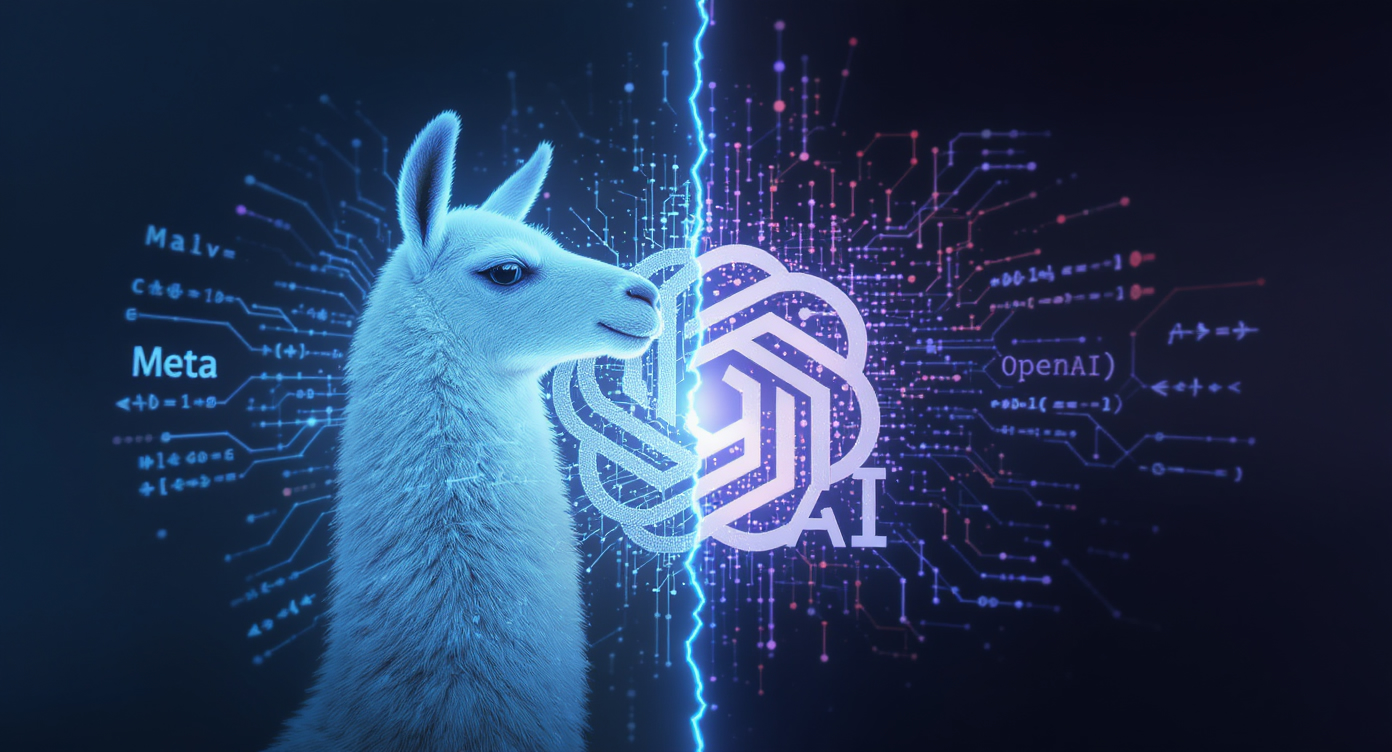
Meta’s achievement has sent shockwaves through the AI industry, demonstrating the power of platform integration over standalone applications. While competitors like OpenAI, Google, and Anthropic focus on developing increasingly sophisticated standalone AI products, Meta has proven that accessibility and integration can drive adoption faster than pure technological advancement.
The 500 million user milestone puts pressure on other tech giants to reconsider their AI deployment strategies. Google has responded by integrating AI more deeply into its search and productivity tools, while Microsoft has accelerated Copilot integration across its Office suite. Apple’s upcoming AI initiatives will likely reflect lessons learned from Meta’s integration-first approach.
Traditional AI companies now face a strategic dilemma: continue developing premium standalone products or seek platform partnerships that can provide similar distribution advantages. The success of Meta’s approach suggests that even superior AI technology may struggle against well-integrated, accessible alternatives.
The milestone also highlights the importance of existing user relationships in AI adoption. Companies with established platforms and regular user engagement possess significant advantages over pure-play AI startups, regardless of their technological innovations. This dynamic may accelerate consolidation within the AI industry as startups seek acquisition by platform companies.
For consumers, Meta’s success signals the beginning of an era where AI assistance becomes a standard feature rather than a premium service. This commoditization of AI capabilities will likely drive further innovation while making advanced AI tools accessible to broader global audiences.
What This Means for Users, Businesses, and the Future of AI
For individual users, Meta’s AI assistant milestone represents a democratization of AI capabilities. Advanced features that once required technical knowledge or expensive subscriptions are now freely available within familiar platforms. This accessibility enables millions of users to experiment with AI-powered creativity, productivity, and communication tools.
Content creators benefit from integrated AI tools that streamline their workflows without requiring additional software or subscriptions. The assistant’s ability to generate ideas, optimize content, and provide strategic insights levels the playing field between individual creators and larger organizations with dedicated marketing teams.
Businesses operating on Meta’s platforms gain access to AI-powered insights and automation tools that can improve their social media performance. From content optimization to customer service automation, the AI assistant provides small businesses with enterprise-level capabilities at no additional cost.
The milestone also signals broader implications for digital privacy and data usage. With 500 million users interacting with Meta’s AI systems, questions about data collection, storage, and usage become increasingly important. Users must balance the convenience of AI assistance against potential privacy trade-offs.
Looking ahead, this achievement suggests that successful AI deployment requires more than technological sophistication—it demands thoughtful integration with existing user behaviors and preferences. Companies developing AI products must consider not just what their technology can do, but how users will naturally encounter and adopt these capabilities.
The rapid adoption rate also indicates growing consumer comfort with AI assistance in personal contexts. This acceptance paves the way for more advanced AI integration across digital platforms, potentially leading to more personalized, intelligent, and responsive online experiences.
As Meta’s AI assistant continues evolving, its massive user base becomes a competitive advantage for developing new features and capabilities. The feedback loop created by 500 million active users enables rapid iteration and improvement, potentially keeping Meta ahead of competitors with smaller user bases.
The milestone represents a inflection point where AI assistance transitions from experimental technology to essential platform feature. Other social media platforms, productivity tools, and digital services will likely accelerate their own AI integration efforts to remain competitive.
Meta’s achievement of 500 million AI assistant users marks a pivotal moment in the democratization of artificial intelligence. By prioritizing integration and accessibility over pure technological advancement, Meta has demonstrated a blueprint for successful AI deployment that other companies will undoubtedly study and emulate.
What do you think this milestone means for the future of AI integration in your daily digital activities, and which platforms do you expect to follow Meta’s integration-first approach next?

Comments