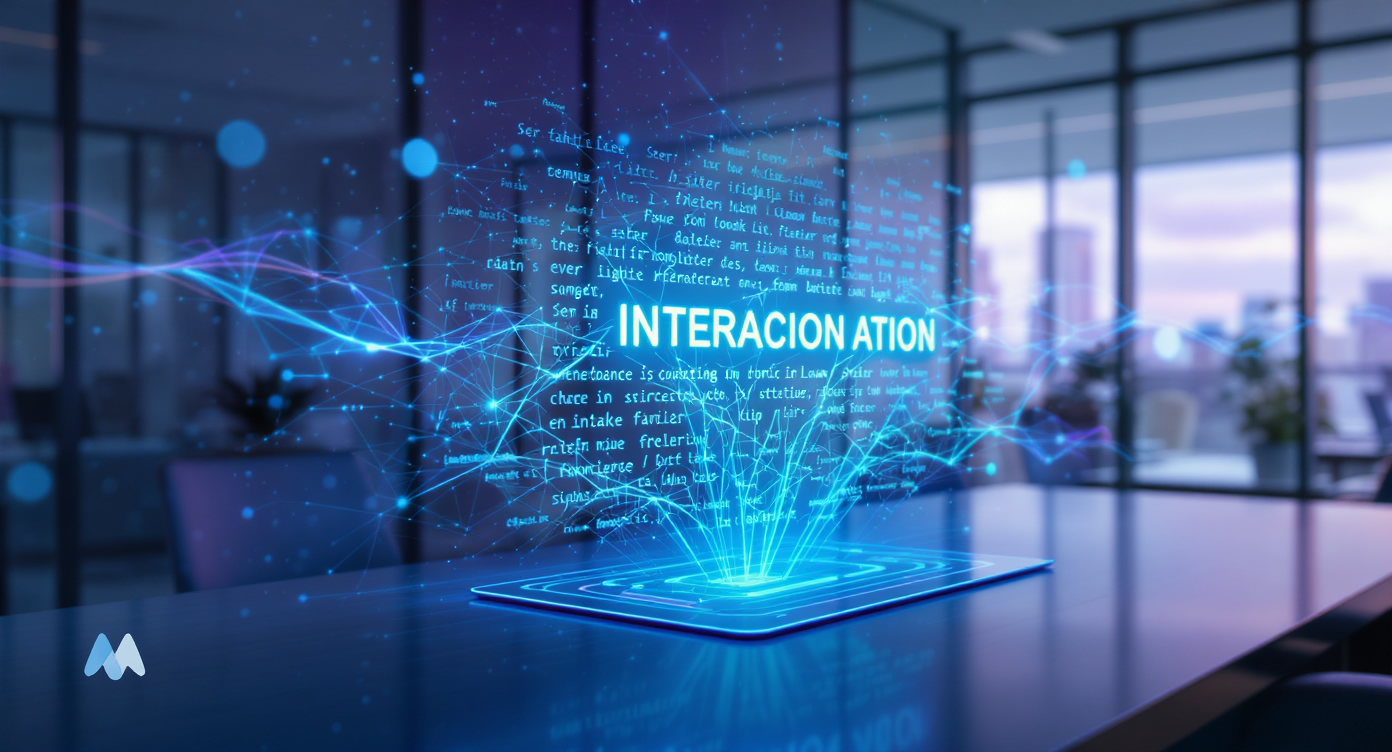
The Game-Changing Technology Behind Meta’s Translation Revolution
Meta has achieved a significant milestone in artificial intelligence research with the development of SeamlessM4T (Seamless Massively Multilingual & Multimodal Machine Translation), a groundbreaking system that enables real-time translation across 100 languages. This revolutionary technology represents a quantum leap forward in breaking down language barriers, offering unprecedented capabilities that extend far beyond traditional text-based translation services.
The system’s most impressive feature lies in its multimodal approach, seamlessly handling speech-to-speech, speech-to-text, text-to-speech, and text-to-text translations in real-time. Unlike previous translation systems that required multiple specialized models, SeamlessM4T operates as a unified framework, significantly reducing latency and improving accuracy across diverse language pairs.
What sets this breakthrough apart is its ability to preserve vocal characteristics and emotional nuances during speech translation. The AI doesn’t just convert words; it maintains the speaker’s tone, pace, and even cultural context, creating a more natural and authentic communication experience. This advancement addresses one of the most persistent challenges in machine translation – the loss of human expression and cultural subtleties.
The technical architecture behind SeamlessM4T incorporates advanced neural networks trained on massive datasets comprising over 4 million hours of speech data and billions of text samples. This extensive training enables the system to understand regional dialects, colloquialisms, and context-dependent meanings that have historically posed significant challenges for automated translation systems.
Real-World Applications Transforming Global Communication
The practical implications of Meta’s real-time translation breakthrough extend far beyond casual conversations, opening doors to transformative applications across multiple industries and sectors.
International Business and Commerce Global companies can now conduct seamless multilingual meetings without the need for human interpreters. Sales teams can engage with international clients in real-time, negotiating complex deals while maintaining the nuanced communication necessary for building trust and understanding. The technology eliminates the delays and potential misunderstandings that often occur with traditional interpretation services, enabling more dynamic and effective business relationships.
Healthcare and Emergency Services Medical professionals can now provide immediate care to patients who speak different languages, ensuring critical health information is accurately communicated without delays. Emergency responders can quickly assess situations and coordinate with international teams during crisis situations, potentially saving lives through faster, more accurate communication.
Education and Academic Research The education sector stands to benefit enormously from this technology. International collaborations between universities become more accessible, allowing researchers to share findings and collaborate on projects without language barriers. Students can access educational content in their native languages while participating in global academic programs, democratizing access to quality education worldwide.
Travel and Tourism Travelers can navigate foreign countries with unprecedented ease, engaging in meaningful conversations with locals, understanding cultural nuances, and accessing services without relying on phrase books or basic translation apps. This technology promises to make international travel more immersive and culturally enriching.
The system’s ability to handle code-switching – when speakers naturally alternate between languages within a single conversation – makes it particularly valuable for multicultural communities and international organizations where multilingual communication is the norm rather than the exception.
Technical Innovation: How Meta Achieved This Breakthrough
The technical sophistication behind Meta’s real-time translation system represents years of dedicated research and innovative engineering approaches that have overcome previously insurmountable challenges in machine translation.
Advanced Neural Architecture SeamlessM4T employs a novel multi-encoder, multi-decoder architecture that processes multiple input modalities simultaneously. The system uses specialized encoders for speech and text inputs, while sophisticated decoders generate outputs in the target modality and language. This parallel processing approach significantly reduces translation latency while maintaining high accuracy levels.
The integration of transformer-based models with advanced attention mechanisms allows the system to maintain context across longer conversations and complex linguistic structures. Unlike traditional sequential processing methods, this approach enables the AI to consider entire conversational contexts when making translation decisions.
Innovative Training Methodologies Meta’s research team developed novel training techniques that leverage both supervised and self-supervised learning approaches. The system was trained on diverse datasets including formal documents, conversational speech, social media content, and academic texts, ensuring robust performance across different communication styles and contexts.
The incorporation of adversarial training methods helps the system identify and correct potential translation errors in real-time, continuously improving accuracy during actual usage. This dynamic learning capability means the system becomes more proficient with increased usage across different language pairs and communication scenarios.
Latency Optimization One of the most significant technical achievements involves the dramatic reduction in processing latency. Through advanced caching mechanisms, predictive processing, and optimized model architectures, the system achieves near-instantaneous translation speeds that enable natural conversation flow.
The implementation of edge computing capabilities allows portions of the translation processing to occur locally on devices, reducing dependency on network connectivity and further minimizing delays. This distributed processing approach ensures reliable performance even in challenging network conditions.
Impact on Global Connectivity and Future Implications
Meta’s breakthrough in real-time translation technology is poised to fundamentally reshape how humanity communicates, collaborates, and connects across linguistic boundaries, with implications that extend far beyond immediate practical applications.
Democratizing Global Communication This technology has the potential to level the playing field for non-native English speakers in global business, academic, and social contexts. Individuals can now participate fully in international discussions, negotiations, and collaborations without the disadvantage of language barriers. This democratization could lead to more diverse perspectives in global decision-making processes and increased representation of underrepresented communities in international forums.
Cultural Preservation and Exchange Rather than promoting linguistic homogenization, real-time translation technology can actually help preserve cultural diversity by enabling speakers of minority languages to communicate globally while maintaining their linguistic heritage. Cultural nuances and expressions can be preserved and shared across boundaries, fostering greater understanding and appreciation of global diversity.
Economic Implications The widespread adoption of seamless translation technology could significantly impact global trade, tourism, and service industries. Small businesses in non-English speaking regions gain access to global markets, while international collaborations become more feasible and cost-effective. The reduction in communication friction could accelerate globalization while making it more inclusive.
Future Technological Developments Meta’s breakthrough serves as a foundation for even more advanced applications, including augmented reality translation overlays, real-time subtitle generation for live events, and integration with emerging metaverse platforms. The technology’s potential integration with virtual and augmented reality environments could create immersive multilingual experiences that were previously impossible.
Challenges and Considerations While the technology represents a significant advancement, important considerations remain regarding privacy, data security, and the potential impact on professional translation services. The handling of sensitive conversations across different languages raises questions about data protection and the need for secure, private translation options.
The technology also highlights the importance of maintaining human cultural interpreters and linguists who can provide context, cultural sensitivity, and nuanced understanding that AI systems may not fully capture. Rather than replacing human expertise, this technology is likely to augment and enhance human communication capabilities.
Long-term Societal Impact As real-time translation becomes more ubiquitous, it may fundamentally change how we think about language learning, cultural identity, and global citizenship. Future generations might grow up with the assumption that language barriers are surmountable, leading to more globally-minded perspectives and increased cross-cultural collaboration from an early age.
The integration of this technology into educational systems could revolutionize how languages are taught and learned, potentially shifting focus from basic communication skills to deeper cultural understanding and literary appreciation.
Meta’s real-time translation breakthrough represents more than just a technological achievement – it’s a step toward a more connected, understanding, and collaborative global society. As this technology continues to evolve and become more accessible, its impact on international relations, business, education, and personal connections will likely exceed our current expectations.
What aspect of real-time translation technology are you most excited about, and how do you envision it changing your personal or professional communication needs?
Comments