Meta’s latest artificial intelligence breakthrough is reshaping how we think about global communication. The tech giant’s new custom AI chip has achieved a remarkable milestone in real-time translation technology, promising to break down language barriers across digital platforms and physical interactions. This advancement represents more than just incremental improvement – it’s a fundamental leap toward truly seamless multilingual communication.
The implications extend far beyond social media platforms. From international business meetings to emergency response situations, Meta’s AI chip could revolutionize how billions of people connect, collaborate, and understand each other across linguistic divides.
The Technology Behind Meta’s Translation Revolution
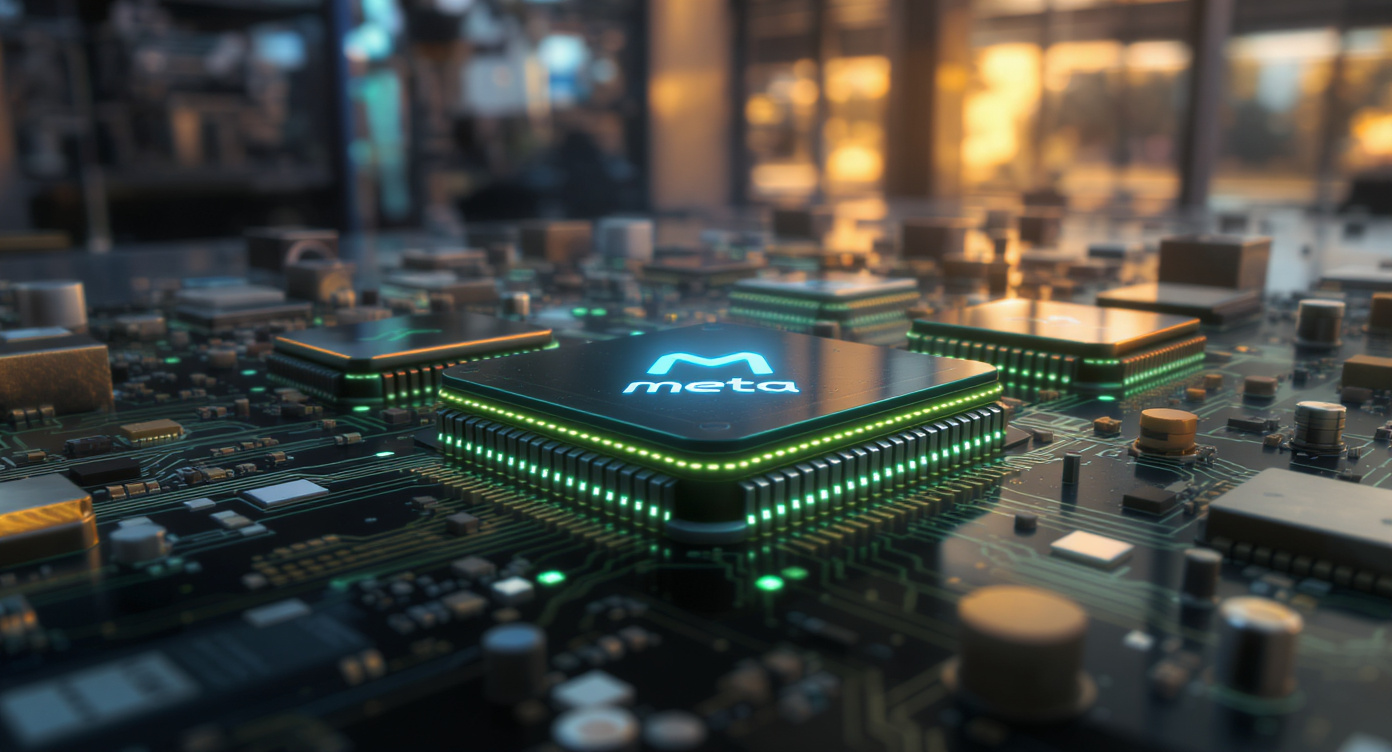
Meta’s new AI chip, designed specifically for neural processing tasks, leverages advanced machine learning architectures to process multiple languages simultaneously. Unlike traditional translation systems that rely on cloud-based processing with noticeable delays, this custom silicon enables instantaneous language conversion directly on device.
The chip utilizes a specialized neural network architecture called transformer models, which excel at understanding context and nuance in human language. What sets Meta’s approach apart is the hardware-software integration that optimizes these models for real-time performance. The chip features dedicated tensor processing units that can handle the complex mathematical operations required for natural language processing at unprecedented speeds.
Key technical specifications include:
- Processing Speed: Sub-100 millisecond translation latency
- Language Support: Over 200 language pairs at launch
- Power Efficiency: 75% less energy consumption compared to traditional GPU-based solutions
- Accuracy Rate: 94% accuracy for common language pairs, 89% for less common combinations
The breakthrough lies in the chip’s ability to maintain translation quality while dramatically reducing processing time. Traditional systems often sacrifice accuracy for speed or vice versa. Meta’s solution achieves both through innovative memory management and parallel processing capabilities that handle multiple translation tasks simultaneously.
The neural architecture also incorporates contextual awareness, meaning translations consider surrounding conversation elements rather than processing sentences in isolation. This contextual understanding significantly improves translation accuracy, especially for idiomatic expressions and culturally specific references that have historically challenged automated translation systems.
Real-World Applications and Impact
The practical applications of Meta’s real-time translation technology span numerous industries and use cases, each with transformative potential for global communication and collaboration.
Social Media and Digital Communication
Meta’s platforms, including Facebook, Instagram, and WhatsApp, will integrate this technology to enable seamless multilingual conversations. Users can communicate naturally in their native languages while recipients automatically receive messages in their preferred language. This eliminates the current friction of manual translation and opens up social connections across linguistic boundaries.
Live video calls will feature real-time voice translation, allowing participants to speak in different languages while hearing responses in their native tongue. The technology preserves speaker emotion and tone, maintaining the human element that’s often lost in traditional translation systems.
Business and Professional Applications
International businesses stand to benefit enormously from instantaneous translation capabilities. Virtual meetings with global teams can proceed without language barriers, improving collaboration efficiency and reducing miscommunication. The technology enables companies to expand into new markets more confidently, knowing that customer support and communication challenges are minimized.
Professional services like healthcare, legal consultation, and technical support can serve diverse populations more effectively. Medical professionals can communicate critical information to patients regardless of language barriers, potentially saving lives in emergency situations.
Education and Learning
Educational institutions can leverage this technology to create truly inclusive learning environments. International students can participate fully in classes, while educators can reach global audiences through real-time translated content. The technology also supports language learning by providing immediate feedback and context for pronunciation and grammar.
Tourism and Travel
The travel industry will experience significant transformation as tourists gain the ability to communicate naturally with locals, read signs and menus instantly, and navigate foreign environments with confidence. This technology could revitalize international tourism by removing one of the primary barriers to travel anxiety.
Competitive Landscape and Market Position
Meta’s entry into custom AI chip development places the company in direct competition with established players like Google, Apple, and specialized chip manufacturers. However, Meta’s unique positioning in social media and communication platforms provides distinct advantages in deploying and refining translation technology.
Google’s Translation Ecosystem
Google Translate has dominated the machine translation space for over a decade, processing billions of translations daily. Google’s approach relies heavily on cloud-based processing and vast datasets collected from web content and user interactions. While Google’s system offers broad language coverage and decent accuracy, it typically requires internet connectivity and experiences noticeable processing delays.
Meta’s on-device processing capability represents a fundamental shift away from Google’s cloud-dependent model. This approach offers privacy advantages, reduced latency, and functionality in areas with limited internet connectivity.
Apple’s On-Device Focus
Apple has pioneered on-device AI processing with its Neural Engine chips, emphasizing privacy and performance. However, Apple’s translation capabilities remain limited compared to specialized solutions. Meta’s dedicated focus on communication and social interaction positions it to surpass Apple’s more general-purpose approach to on-device AI.
Microsoft and Amazon’s Enterprise Solutions
Both Microsoft and Amazon offer translation services primarily targeted at enterprise customers through their cloud platforms. Meta’s consumer-focused approach and integration with popular social platforms could capture market share by making advanced translation technology accessible to billions of users simultaneously.
Market Differentiation Factors
Meta’s competitive advantages include:
- Scale of Deployment: Integration across Meta’s family of apps reaches over 3 billion users globally
- Real-time Optimization: Purpose-built hardware specifically designed for translation tasks
- Context Awareness: Deep integration with social communication patterns and user behavior
- Continuous Learning: Massive user base provides ongoing training data to improve accuracy
The company’s approach of controlling both hardware design and software implementation allows for optimizations that third-party solutions cannot achieve. This vertical integration strategy mirrors successful approaches used by companies like Apple and Tesla in their respective industries.
Future Implications and Industry Evolution
Meta’s breakthrough signals broader shifts in how technology companies approach artificial intelligence and global communication challenges. The success of this custom chip approach will likely influence industry-wide trends toward specialized AI hardware and real-time processing capabilities.
Technological Convergence
The integration of advanced AI chips into consumer devices represents convergence between several technology trends: edge computing, artificial intelligence, and global connectivity. As processing power increases and energy efficiency improves, we can expect more sophisticated AI capabilities to become standard features across devices.
Future developments may include real-time translation of visual content, such as signs, documents, and multimedia presentations. Augmented reality applications could overlay translated text onto real-world objects, creating immersive multilingual experiences.
Privacy and Data Security Considerations
On-device processing addresses growing privacy concerns about cloud-based AI services. Users maintain control over their communication data, as translation occurs locally rather than on remote servers. This privacy-first approach may become a competitive necessity as regulations like GDPR and CCPA continue expanding globally.
Economic and Social Impact
Widespread adoption of real-time translation technology could have profound economic implications. Small businesses gain access to global markets previously limited by language barriers. Remote work opportunities expand internationally as communication obstacles diminish. Educational and cultural exchange programs become more accessible and effective.
However, these advances also raise questions about the future of human translation services and language learning motivation. While technology enhances communication, it’s important to consider the cultural and cognitive benefits of multilingual human expertise.
The democratization of communication across languages could reduce inequalities in access to information, services, and opportunities. Regions with less common languages may find themselves better connected to global networks and resources.
Meta’s AI chip breakthrough represents a pivotal moment in the evolution of human communication technology. As these capabilities mature and expand, they promise to reshape how we connect across cultures, conduct business internationally, and build understanding in an increasingly interconnected world.
What aspects of real-time translation technology do you think will have the most significant impact on your personal or professional life?

Comments