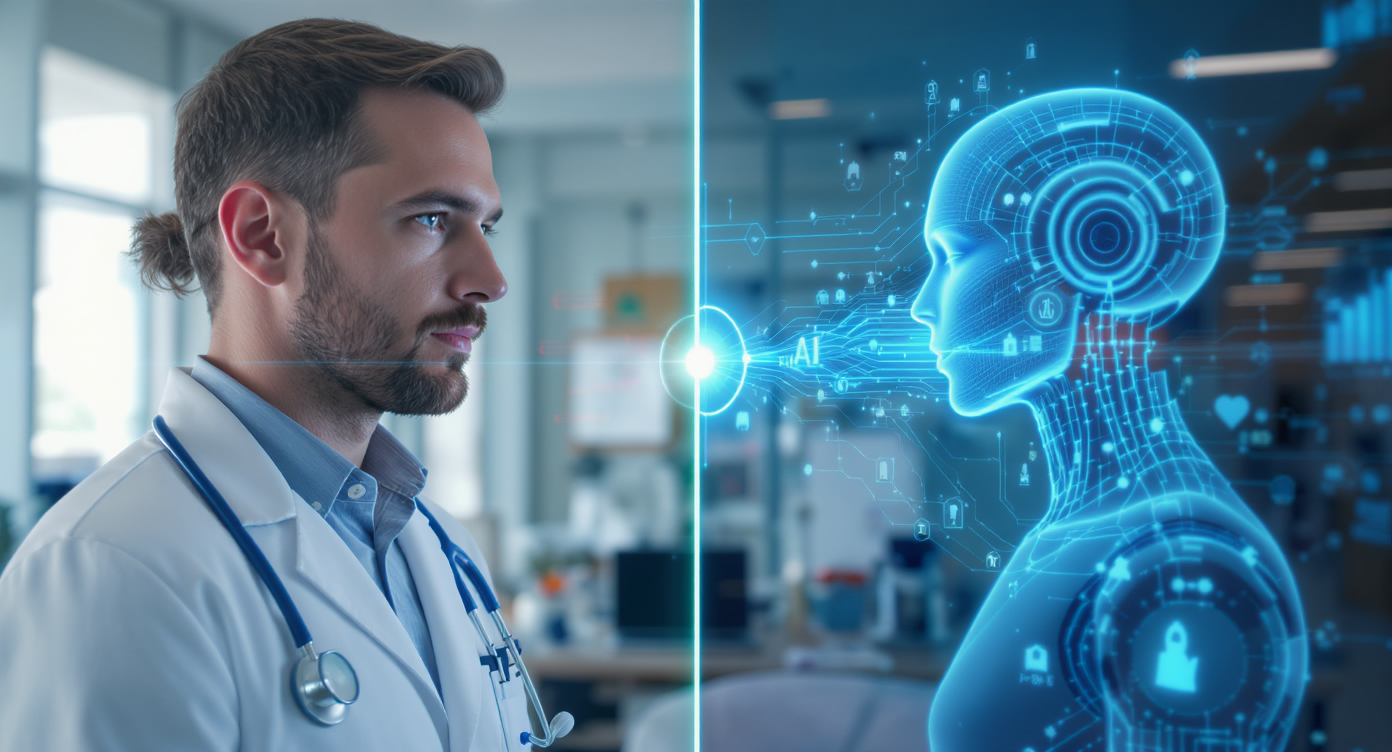
The healthcare industry is witnessing a revolutionary transformation as artificial intelligence chatbots achieve unprecedented accuracy rates in medical diagnosis. Recent comprehensive studies reveal that AI-powered diagnostic tools have reached an impressive 80% accuracy rate, marking a significant milestone in the intersection of technology and medicine. This breakthrough represents years of advanced machine learning development, extensive medical database training, and sophisticated natural language processing capabilities.
Medical professionals and technology experts are taking notice of these remarkable results, which demonstrate that AI chatbots can effectively analyze symptoms, medical histories, and patient-reported information to provide accurate preliminary diagnoses. The implications of this technological advancement extend far beyond simple automation – they suggest a future where healthcare accessibility, speed, and consistency could be dramatically improved through intelligent digital assistance.
The 80% accuracy rate positions AI chatbots as valuable diagnostic tools that can complement traditional medical practices, particularly in scenarios where immediate professional consultation isn’t readily available. This development comes at a crucial time when healthcare systems worldwide face increasing pressure from growing patient populations, physician shortages, and the need for more efficient medical services.
The Science Behind AI Medical Diagnosis Accuracy
Understanding how AI chatbots achieve such impressive diagnostic accuracy requires examining the sophisticated technologies powering these systems. Modern medical AI chatbots utilize advanced machine learning algorithms, particularly deep learning neural networks, trained on vast datasets containing millions of medical records, diagnostic images, laboratory results, and clinical case studies.
These systems employ natural language processing (NLP) to interpret patient symptoms described in everyday language, converting subjective complaints into structured medical data. The AI then cross-references this information against extensive medical knowledge bases, considering factors such as symptom patterns, demographic information, medical history, and statistical prevalence of various conditions.
The training process involves exposing the AI to diverse medical scenarios, including rare diseases, common ailments, and complex multi-symptom presentations. Machine learning models continuously refine their diagnostic capabilities through reinforcement learning, where correct diagnoses are rewarded and incorrect ones are corrected, leading to improved accuracy over time.
Recent studies have shown that AI chatbots excel particularly well in diagnosing common conditions such as respiratory infections, skin conditions, digestive issues, and mental health concerns. The 80% accuracy rate represents performance across a broad spectrum of medical conditions, with some specific areas achieving even higher accuracy rates approaching 90-95%.
What makes these results particularly impressive is the AI’s ability to consider multiple differential diagnoses simultaneously, ranking potential conditions by probability and identifying when symptoms suggest serious conditions requiring immediate medical attention. This multi-faceted approach mirrors the diagnostic reasoning process used by experienced physicians.
Real-World Applications and Clinical Implementation
Healthcare institutions worldwide are beginning to integrate AI diagnostic chatbots into their clinical workflows, recognizing the practical benefits these technologies offer. Emergency departments utilize AI triage systems to quickly assess patient symptoms and prioritize care based on severity and urgency. This implementation has reduced wait times and improved resource allocation in busy medical facilities.
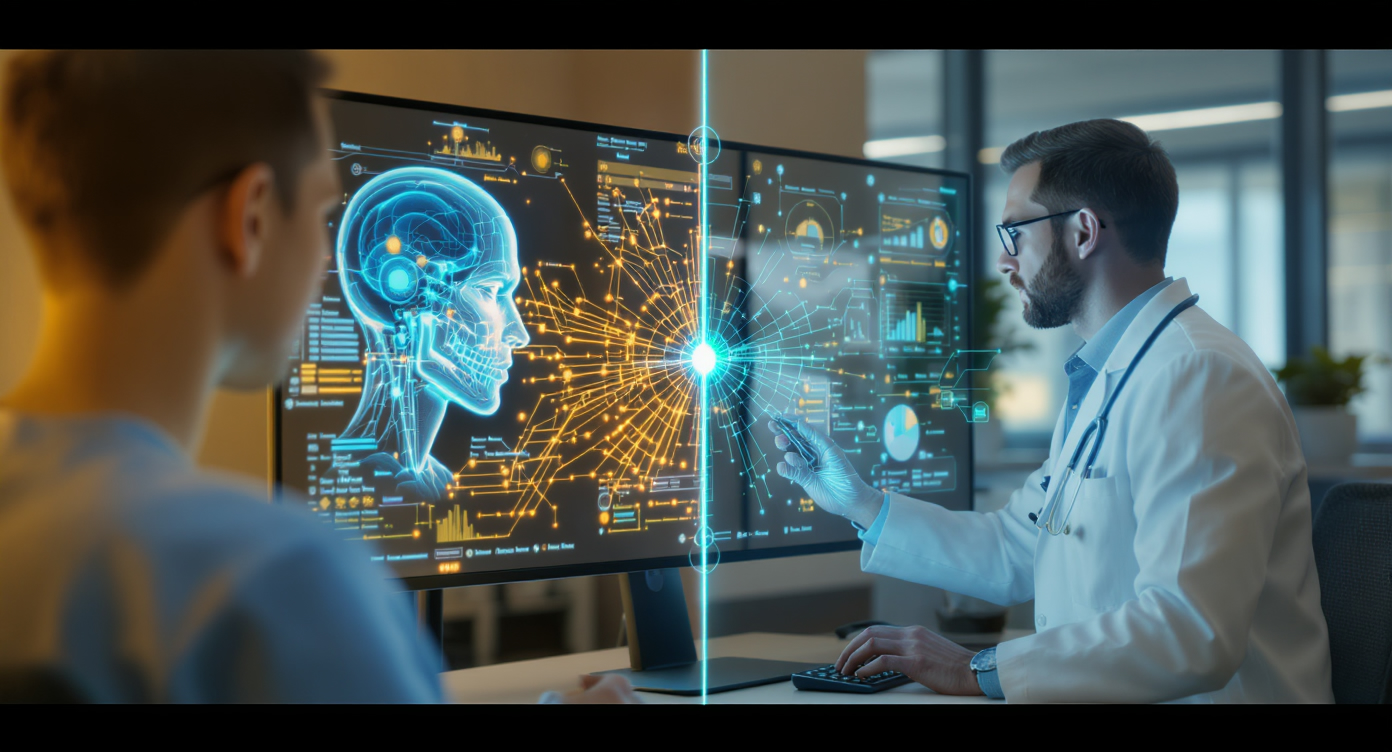
Primary care practices are deploying AI chatbots as initial screening tools, allowing patients to receive preliminary assessments before scheduling appointments with healthcare providers. This approach helps physicians prepare for consultations more effectively and ensures that urgent cases receive appropriate priority. Patients benefit from immediate feedback about their symptoms and guidance on whether they need immediate medical attention, routine care, or can manage their condition at home.
Telemedicine platforms have integrated AI diagnostic capabilities to enhance remote healthcare delivery. Patients in rural or underserved areas can access sophisticated diagnostic tools without traveling long distances to medical facilities. The AI chatbots provide valuable second opinions and help remote healthcare providers make more informed decisions about patient care.
Mental health services have found AI chatbots particularly valuable for initial assessments and ongoing monitoring. These systems can identify signs of depression, anxiety, and other psychological conditions while providing immediate support and resources. The 24/7 availability of AI chatbots ensures that mental health support is accessible when patients need it most.
Insurance companies and healthcare systems are exploring AI diagnostic tools for preventive care and early disease detection. By analyzing patient-reported symptoms and health data, these systems can identify potential health risks before they develop into serious conditions, ultimately reducing healthcare costs and improving patient outcomes.
Benefits and Limitations of AI Medical Diagnosis
The advantages of AI chatbots in medical diagnosis extend far beyond their impressive accuracy rates. These systems provide consistent diagnostic quality regardless of time of day, healthcare provider fatigue, or geographic location. Unlike human physicians, AI chatbots don’t experience cognitive biases that might influence diagnostic decisions, and they can simultaneously consider vast amounts of medical literature and research findings.
Cost-effectiveness represents another significant benefit, as AI diagnostic tools can provide medical assessments at a fraction of the cost of traditional consultations. This affordability makes healthcare more accessible to underserved populations and reduces the financial burden on healthcare systems. The scalability of AI chatbots means they can handle unlimited patient interactions simultaneously without additional staffing requirements.
Speed and availability constitute major advantages, with AI chatbots providing instant initial assessments and being available 24/7 without appointment scheduling. This immediate access can be crucial for time-sensitive medical conditions and provides peace of mind for patients experiencing concerning symptoms outside regular medical office hours.
However, important limitations must be acknowledged. The 80% accuracy rate, while impressive, means that 20% of diagnoses may be incorrect, potentially leading to delayed treatment or unnecessary anxiety. AI chatbots cannot perform physical examinations, order diagnostic tests, or observe subtle non-verbal cues that experienced physicians rely upon for accurate diagnoses.
Complex medical cases involving multiple conditions, rare diseases, or unusual presentations may challenge AI diagnostic capabilities. These systems work best with straightforward presentations of common conditions and may struggle with the nuanced decision-making required for complicated medical scenarios.
Liability and regulatory concerns remain significant challenges, as questions persist about responsibility when AI diagnostic tools provide incorrect assessments. Healthcare providers must carefully consider how to integrate AI recommendations with their clinical judgment while maintaining appropriate oversight and accountability.
The Future of AI in Healthcare Diagnosis
The achievement of 80% diagnostic accuracy represents just the beginning of AI’s potential in healthcare. Ongoing research and development efforts focus on improving accuracy rates, expanding diagnostic capabilities, and integrating AI tools more seamlessly into clinical practice. Future developments promise even more sophisticated systems that can handle increasingly complex medical scenarios.
Integration with wearable devices and continuous health monitoring systems will enable AI chatbots to access real-time physiological data, potentially improving diagnostic accuracy and enabling proactive health management. Imagine AI systems that can detect early signs of heart conditions, diabetes complications, or neurological changes based on continuous monitoring data combined with patient-reported symptoms.
Personalized medicine approaches will leverage AI diagnostic tools to consider individual genetic profiles, lifestyle factors, and medical histories for more tailored diagnostic assessments. These systems will become increasingly sophisticated at recognizing patterns specific to individual patients and populations, leading to more precise and culturally sensitive healthcare delivery.
Collaboration between AI systems and human healthcare providers will evolve toward true partnership models, where AI handles routine diagnostic tasks while physicians focus on complex cases, patient communication, and treatment planning. This synergistic approach promises to maximize the strengths of both artificial and human intelligence in healthcare delivery.
As AI diagnostic accuracy continues to improve and regulatory frameworks develop, we can expect broader adoption across healthcare systems worldwide. The potential for reducing healthcare disparities, improving access to quality medical care, and enhancing overall population health outcomes represents one of the most promising applications of artificial intelligence technology.
The 80% accuracy milestone in AI medical diagnosis represents a transformative moment in healthcare technology, offering hope for more accessible, efficient, and consistent medical care. While challenges remain, the potential benefits for patients, healthcare providers, and healthcare systems are enormous.
What aspects of AI medical diagnosis do you think will have the greatest impact on your healthcare experience, and what concerns do you have about integrating artificial intelligence into medical decision-making?
Comments