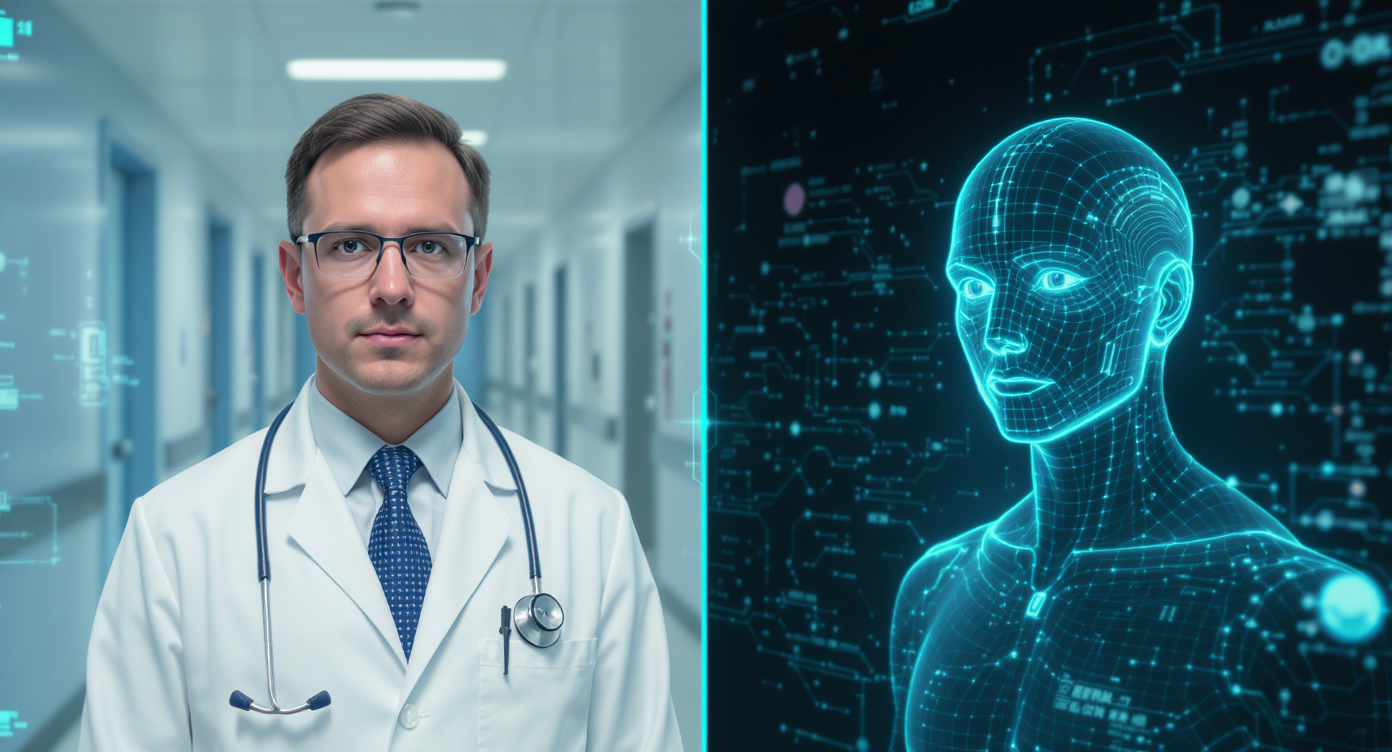
The landscape of medical diagnosis is experiencing a revolutionary transformation as artificial intelligence chatbots achieve an unprecedented 90% accuracy rate in diagnostic testing. This breakthrough represents a pivotal moment in healthcare technology, potentially reshaping how patients receive medical care and how healthcare professionals approach complex diagnostic challenges.
Recent studies conducted by leading medical institutions and technology companies have demonstrated that AI-powered diagnostic chatbots can now match or even exceed human physicians in certain diagnostic scenarios. This remarkable achievement stems from years of machine learning development, vast medical database training, and sophisticated natural language processing capabilities that enable these systems to interpret symptoms, analyze patient histories, and provide accurate medical assessments.
The implications of this technological leap extend far beyond simple automation. Healthcare systems worldwide are grappling with physician shortages, increasing patient loads, and the need for more accessible medical care. AI chatbots operating at 90% diagnostic accuracy could serve as powerful tools to bridge these gaps, offering immediate medical insights to patients regardless of their geographic location or financial circumstances.
How AI Chatbots Achieve Medical Diagnostic Excellence
The journey to 90% diagnostic accuracy involves sophisticated technological frameworks that combine multiple AI disciplines. These chatbots utilize deep learning algorithms trained on millions of medical cases, peer-reviewed research papers, and clinical data points collected over decades of medical practice.
Natural language processing enables these systems to understand patient descriptions of symptoms in everyday language, translating colloquial terms into medical terminology. For instance, when a patient describes “feeling dizzy and nauseous after standing up,” the AI can recognize potential orthostatic hypotension and suggest appropriate follow-up questions or diagnostic considerations.
Machine learning models continuously improve through exposure to new cases and outcomes. Each interaction helps refine the diagnostic algorithms, creating a feedback loop that enhances accuracy over time. These systems can simultaneously consider hundreds of potential conditions, cross-reference symptoms with statistical probabilities, and factor in demographic information to narrow diagnostic possibilities.
Computer vision integration allows some advanced chatbots to analyze uploaded images, such as skin conditions, eye abnormalities, or throat infections. This multimodal approach significantly expands diagnostic capabilities beyond text-based symptom analysis, providing more comprehensive assessments that mirror in-person medical examinations.
The training data encompasses diverse patient populations, ensuring these systems can recognize how symptoms may present differently across various demographics, ages, and cultural backgrounds. This inclusivity is crucial for achieving consistent 90% accuracy rates across different patient groups.
Real-World Applications and Success Stories
Healthcare institutions worldwide are implementing AI diagnostic chatbots with remarkable results. Mayo Clinic’s AI symptom checker has demonstrated exceptional accuracy in identifying common conditions like respiratory infections, digestive issues, and musculoskeletal problems. Patients report high satisfaction rates with the immediate feedback and clear guidance provided by these systems.
In rural healthcare settings, where specialist access is limited, AI chatbots serve as valuable diagnostic support tools. A family practice clinic in Montana reported that AI assistance helped identify three cases of early-stage diabetes that might have been missed during routine visits. The chatbot’s ability to correlate seemingly unrelated symptoms led to earlier interventions and better patient outcomes.
Emergency departments are leveraging AI chatbots for triage purposes, helping prioritize patients based on symptom severity and urgency. One hospital in Texas found that AI-assisted triage reduced wait times by 35% while maintaining diagnostic accuracy comparable to experienced triage nurses.
Dermatology has emerged as a particularly successful application area. AI chatbots equipped with image analysis capabilities can identify skin cancers, rashes, and infectious conditions with remarkable precision. A dermatology practice in California reported that their AI chatbot correctly identified melanoma in 94% of test cases, sometimes catching concerning lesions that patients hadn’t considered worrisome.
Mental health applications show promising results, with AI chatbots successfully screening for depression, anxiety, and other psychological conditions. These systems can detect subtle language patterns and behavioral indicators that might signal mental health concerns, prompting appropriate referrals to human specialists.
Benefits and Limitations of AI Medical Diagnosis
The advantages of AI diagnostic chatbots extend beyond accuracy metrics. These systems provide 24/7 availability, offering medical guidance when traditional healthcare services may be unavailable. Patients can access diagnostic support during nights, weekends, and holidays, potentially preventing minor conditions from escalating into serious health problems.
Cost-effectiveness represents another significant benefit. AI chatbots can handle routine diagnostic inquiries at a fraction of the cost of traditional medical consultations, making healthcare more accessible to underserved populations. Insurance companies are beginning to recognize these systems as valuable preventive care tools that can reduce overall healthcare expenditures.
Consistency in diagnostic approach eliminates human variables such as fatigue, mood, or experience level that might influence medical assessments. AI chatbots apply the same rigorous diagnostic criteria to every patient interaction, ensuring standardized care quality regardless of when or where the consultation occurs.
However, important limitations must be acknowledged. The 90% accuracy rate, while impressive, still means that one in ten diagnoses may be incorrect or incomplete. Complex cases requiring nuanced clinical judgment, physical examinations, or advanced diagnostic testing still necessitate human physician involvement.
AI chatbots excel with common conditions but may struggle with rare diseases or unusual symptom presentations that fall outside their training parameters. The systems also cannot provide the empathetic human connection that many patients value during medical consultations, particularly when dealing with serious or chronic conditions.
Data privacy and security concerns remain paramount. Patients share sensitive health information with these systems, requiring robust cybersecurity measures and strict compliance with healthcare privacy regulations like HIPAA.
The Future of AI-Assisted Healthcare
The trajectory toward even higher diagnostic accuracy continues as AI technology advances. Researchers are developing next-generation chatbots that incorporate real-time biometric data from wearable devices, genetic information, and environmental factors to provide more personalized diagnostic assessments.
Integration with electronic health records will enable AI chatbots to access comprehensive patient histories, medication lists, and previous diagnostic results, creating more informed assessments. This holistic approach could push accuracy rates beyond 95% for many common conditions.
Specialist AI chatbots are emerging for specific medical fields such as cardiology, oncology, and pediatrics. These specialized systems, trained on discipline-specific data, demonstrate even higher accuracy rates within their domains of expertise.
Regulatory frameworks are evolving to accommodate AI diagnostic tools while ensuring patient safety. The FDA and other regulatory bodies are developing guidelines for AI medical device approval, creating pathways for wider adoption of these technologies in clinical settings.
Healthcare professionals are increasingly viewing AI chatbots as collaborative tools rather than replacement technologies. The most successful implementations combine AI diagnostic capabilities with human physician oversight, creating hybrid systems that leverage the strengths of both artificial and human intelligence.
Medical schools are beginning to incorporate AI literacy into their curricula, preparing future physicians to work effectively alongside AI diagnostic tools. This educational evolution ensures that healthcare professionals can maximize the benefits of AI assistance while recognizing its limitations.
The democratization of medical knowledge through AI chatbots has the potential to reduce healthcare disparities and improve global health outcomes. Patients in underserved regions could access diagnostic capabilities previously available only in major medical centers, fundamentally changing healthcare accessibility worldwide.
The achievement of 90% diagnostic accuracy by AI chatbots represents just the beginning of a healthcare revolution. As these technologies continue to evolve and improve, they promise to make quality medical care more accessible, affordable, and consistent for patients worldwide.
How do you envision AI diagnostic chatbots changing your healthcare experience, and what concerns or expectations do you have about integrating artificial intelligence into medical decision-making?
Comments