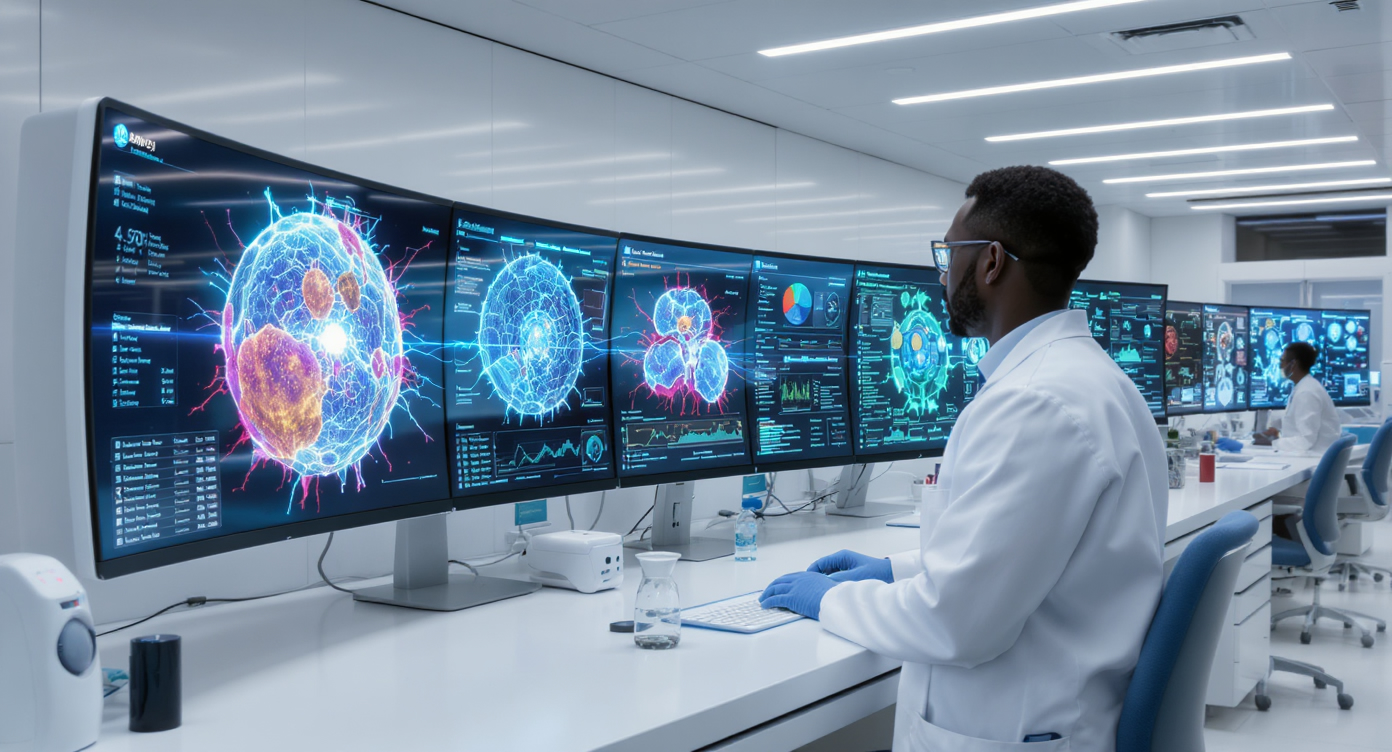
Artificial intelligence is revolutionizing healthcare in ways that seemed impossible just a decade ago. Recent breakthroughs in cancer detection have achieved a remarkable milestone: AI models are now hitting 95% accuracy rates in identifying early-stage cancers across multiple types. This technological leap represents one of the most significant advances in oncology, potentially saving millions of lives through earlier intervention and treatment.
The implications of this achievement extend far beyond impressive statistics. When cancer is detected in its earliest stages, survival rates increase dramatically—often from less than 30% to over 90% for many cancer types. This transformation in diagnostic capability promises to reshape how we approach cancer screening, diagnosis, and ultimately, treatment outcomes worldwide.
How AI Achieves 95% Accuracy in Cancer Detection
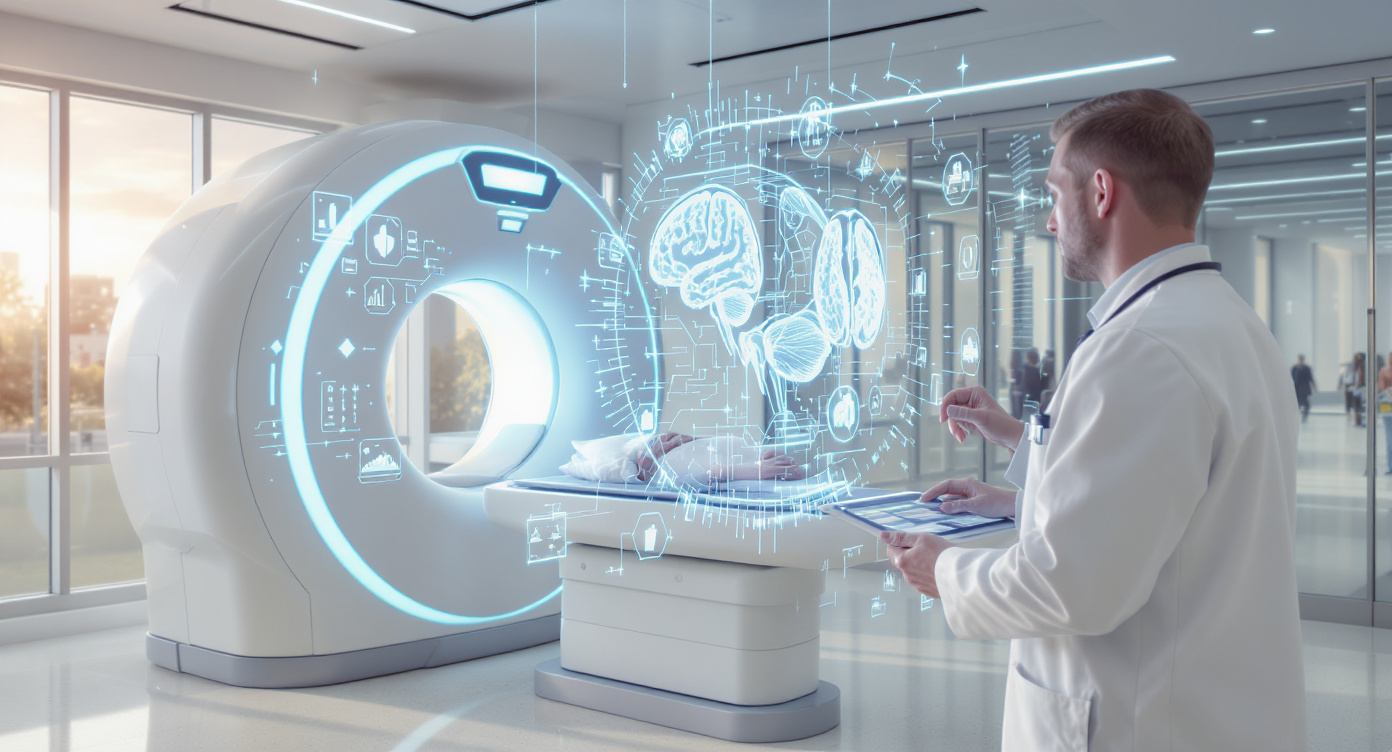
The journey to 95% accuracy in cancer detection represents years of sophisticated machine learning development and massive data analysis. Modern AI systems utilize deep learning neural networks trained on millions of medical images, including CT scans, MRIs, mammograms, and pathology slides. These systems can identify subtle patterns and anomalies that even experienced radiologists might miss.
Convolutional Neural Networks (CNNs) form the backbone of most cancer detection AI systems. These networks process medical images layer by layer, learning to recognize increasingly complex features—from basic shapes and textures to sophisticated tumor characteristics. The AI examines thousands of data points within each image, analyzing cell structure, tissue density, blood vessel patterns, and microscopic changes that indicate malignancy.
What sets these AI systems apart is their ability to learn from vast datasets. While a human radiologist might see thousands of cases throughout their career, AI models train on millions of examples from diverse populations, geographical regions, and imaging equipment types. This extensive training enables them to recognize rare cancer presentations and subtle early-stage indicators that might be overlooked in traditional screening.
The 95% accuracy rate is particularly impressive when considering the challenge of early-stage detection. Early cancers often present minimal symptoms and subtle imaging changes. AI excels at detecting these minute variations by comparing current scans against its extensive database of both normal and abnormal tissue patterns. Machine learning algorithms continuously refine their detection capabilities, improving accuracy with each new case analyzed.
Advanced AI systems also incorporate multimodal analysis, combining imaging data with patient history, genetic markers, and laboratory results. This comprehensive approach provides a more complete picture of cancer risk and presence, contributing to the high accuracy rates achieved in recent studies.
Types of Cancer Where AI Shows Greatest Promise
AI’s impact on cancer detection varies significantly across different cancer types, with some showing more dramatic improvements than others. Understanding where AI excels helps healthcare providers prioritize implementation and patients understand potential benefits.
Breast Cancer Detection has seen remarkable AI advancement, particularly in mammography screening. AI systems can now identify suspicious masses, calcifications, and architectural distortions with accuracy rates exceeding traditional radiologist interpretation. Studies show AI reduces false positives by up to 40% while maintaining high sensitivity for cancer detection. This improvement is crucial given that breast cancer screening involves millions of women annually.
Lung Cancer Screening represents another area of exceptional AI performance. Low-dose CT scans combined with AI analysis can detect lung nodules as small as 3mm, identifying potentially cancerous lesions months or years before they would become symptomatic. For high-risk populations like long-term smokers, AI-enhanced screening has demonstrated the ability to catch lung cancer at Stage I, when surgical intervention offers the best outcomes.
Skin Cancer Detection through AI-powered dermatoscopy has achieved accuracy rates comparable to or exceeding expert dermatologists. AI systems analyze pigmentation patterns, asymmetry, border irregularities, and color variations to identify melanomas and other skin cancers. Mobile applications now allow preliminary skin cancer screening, making early detection more accessible to broader populations.
Colorectal Cancer detection benefits significantly from AI analysis of colonoscopy images. AI can identify polyps and early-stage tumors that might be missed during routine procedures, while also distinguishing between benign and potentially malignant growths. This capability reduces the need for unnecessary biopsies while ensuring suspicious lesions receive appropriate attention.
Prostate Cancer diagnosis through AI analysis of MRI scans and pathology slides shows tremendous promise. AI systems can identify suspicious areas for targeted biopsy, reducing both false negatives and the number of biopsies required. Recent studies demonstrate AI’s ability to detect clinically significant prostate cancers while avoiding overdiagnosis of indolent tumors.
Current Implementation and Real-World Applications
The transition from laboratory success to real-world healthcare implementation represents a critical phase in AI cancer detection adoption. Healthcare systems worldwide are beginning to integrate these technologies into routine practice, though implementation varies significantly by region and institution.
Major Medical Centers are leading AI adoption efforts. Institutions like Mayo Clinic, Memorial Sloan Kettering, and MD Anderson have integrated AI systems into their radiology departments, pathology labs, and screening programs. These early adopters report improved detection rates, reduced diagnostic time, and enhanced workflow efficiency. Radiologists work alongside AI systems, using them as sophisticated “second opinions” that highlight areas requiring closer examination.
FDA Approvals and Regulatory Progress have accelerated significantly. The FDA has approved numerous AI-based cancer detection systems for clinical use, including tools for mammography, chest X-rays, and pathology analysis. These approvals provide the regulatory framework necessary for broader adoption while ensuring safety and efficacy standards are maintained.
Integration Challenges remain significant despite technological advances. Healthcare systems must address data interoperability, staff training, workflow modification, and cost considerations. Many institutions adopt phased implementation approaches, starting with specific cancer types or departments before expanding system-wide.
Cost-Effectiveness Studies demonstrate compelling economic benefits. While initial AI system implementation requires substantial investment, long-term savings from earlier cancer detection, reduced unnecessary procedures, and improved treatment outcomes often justify the expense. Insurance coverage for AI-enhanced screening is expanding, though coverage varies by provider and region.
Global Adoption Patterns reveal interesting geographical variations. Countries with centralized healthcare systems, like the UK and Canada, often show faster AI adoption due to coordinated implementation efforts. Developing nations are exploring AI as a way to enhance cancer detection capabilities in regions with limited specialist availability.
The patient experience is also evolving with AI implementation. Many patients report increased confidence in their diagnosis when AI systems confirm radiologist findings. However, healthcare providers emphasize that AI serves as a diagnostic aid rather than a replacement for clinical judgment and doctor-patient relationships.
The Future of AI-Driven Cancer Care
The current 95% accuracy achievement in early cancer detection represents just the beginning of AI’s transformation of oncology care. Future developments promise even more dramatic improvements in cancer prevention, diagnosis, and treatment.
Predictive Cancer Risk Assessment will likely emerge as AI’s next major contribution. Rather than simply detecting existing cancers, future AI systems will analyze genetic profiles, lifestyle factors, environmental exposures, and medical history to predict cancer development years before tumors appear. This predictive capability could enable truly preventive interventions, potentially stopping cancer before it starts.
Real-Time Surgical Guidance represents another frontier where AI accuracy improvements will have immediate impact. Surgeons will use AI-enhanced imaging to identify tumor margins during operations, ensuring complete cancer removal while preserving healthy tissue. This application could dramatically improve surgical outcomes and reduce recurrence rates.
Personalized Treatment Selection will benefit from AI’s pattern recognition capabilities. By analyzing tumor characteristics, genetic markers, and treatment response data from millions of patients, AI systems will recommend optimal treatment protocols tailored to individual patient profiles. This precision approach promises better outcomes with fewer side effects.
Liquid Biopsy Enhancement through AI analysis of circulating tumor DNA, proteins, and other biomarkers will enable cancer detection through simple blood tests. AI’s ability to identify subtle patterns in complex molecular data could make comprehensive cancer screening as routine as cholesterol testing.
The integration of wearable technology and continuous monitoring will create opportunities for real-time cancer surveillance. AI systems analyzing data from smartwatches, fitness trackers, and other devices might detect cancer-related physiological changes months before traditional symptoms appear.
Challenges and Considerations for future development include ensuring AI systems remain unbiased across diverse populations, maintaining patient privacy in an era of extensive data collection, and preserving the human elements of healthcare that patients value. Ongoing research focuses on making AI systems more interpretable, allowing healthcare providers to understand and explain AI recommendations to patients.
The achievement of 95% accuracy in AI-powered early cancer detection marks a watershed moment in medical history. This technological breakthrough offers hope for dramatically improved cancer outcomes through earlier intervention, more precise diagnosis, and ultimately, saved lives. As these systems continue to evolve and expand into routine healthcare practice, they promise to transform cancer from a feared diagnosis into an increasingly manageable condition.
The success of AI in cancer detection demonstrates the immense potential of artificial intelligence to augment human expertise rather than replace it. Healthcare providers armed with AI tools can make more informed decisions, catch cancers earlier, and provide better care to their patients.
What questions do you have about AI cancer detection technology, and how do you think it might impact your own healthcare decisions or those of your loved ones?

Comments